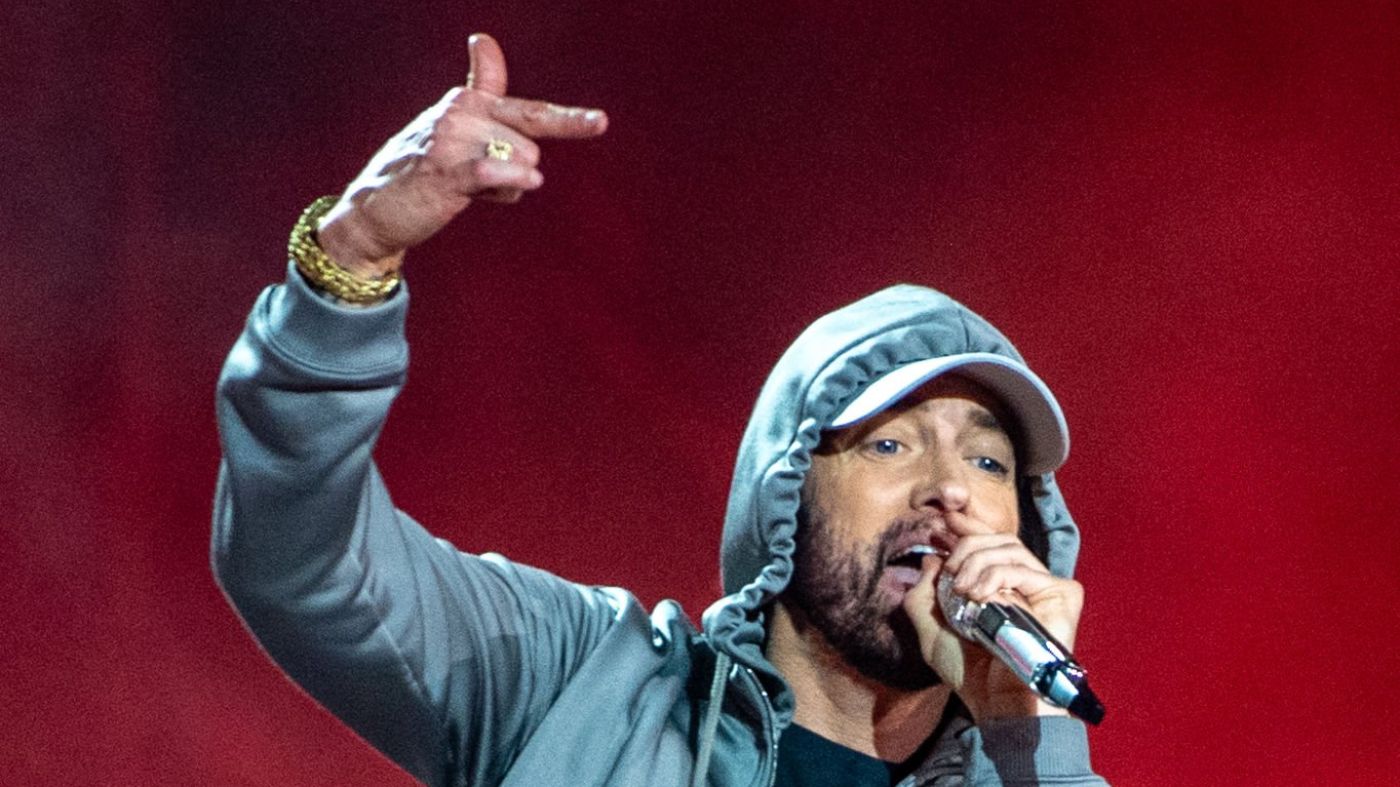

Joseph Strange admitted criminal copyright infringement after selling files from Eminem’s studio, with federal sentencing scheduled for January 27.
The federal case over Eminem’s unreleased music has reached a guilty plea. Joseph Strange, a former employee of the rapper, pleaded guilty to criminal infringement of copyright in Michigan, the Justice Department announced October 22. The admission moves the case beyond the allegations that first became public last year, while leaving the punishment for a later hearing.
Strange, 48, of Holly, Michigan, worked for Marshall Mathers from approximately 2007 through 2021. According to the Justice Department’s account of court documents, he helped establish and operate a computer system at a Ferndale studio where the rapper developed music. That role gave him access to password-protected drives containing recordings that were still being worked on and had not been cleared for public release.
Prosecutors say Strange copied at least 10 audio files without authorization and sold and transmitted them online between July and August 2024. The transactions brought in approximately $50,000 in total, not $50,000 for each recording. The files represented music at different stages of development, a distinction that matters in a case involving private studio material rather than an authorized album delivered to retailers.
The government says the recordings subsequently appeared online and on public streaming platforms without Mathers’ permission. Data from several providers showed more than eight million accesses to the identified infringing files by November 2025, according to the department. Prosecutors estimate the infringement amount at no less than $750,000, a separate figure from the amount Strange received through the sales.
The release also draws a line between possible future music and a confirmed commercial rollout. Some recordings had undergone professional preparation, including mastering in certain cases, but the government says a commercial release was neither imminent nor guaranteed. Their circulation therefore should not be treated as evidence that Eminem had announced a new project or intended every unfinished recording to reach an audience.
Sentencing is scheduled for January 27, 2027, and the copyright offense carries a maximum of five years in prison. That maximum is not a sentence already imposed: a federal judge will determine the outcome after considering the sentencing guidelines and other statutory factors. For now, the confirmed development is Strange’s guilty plea over the unauthorized copying and sale, with the next major decision due in court rather than on a release calendar.
More News, Eminem Addresses Kid Rock Collaboration as “Heal My Faith” Arrives