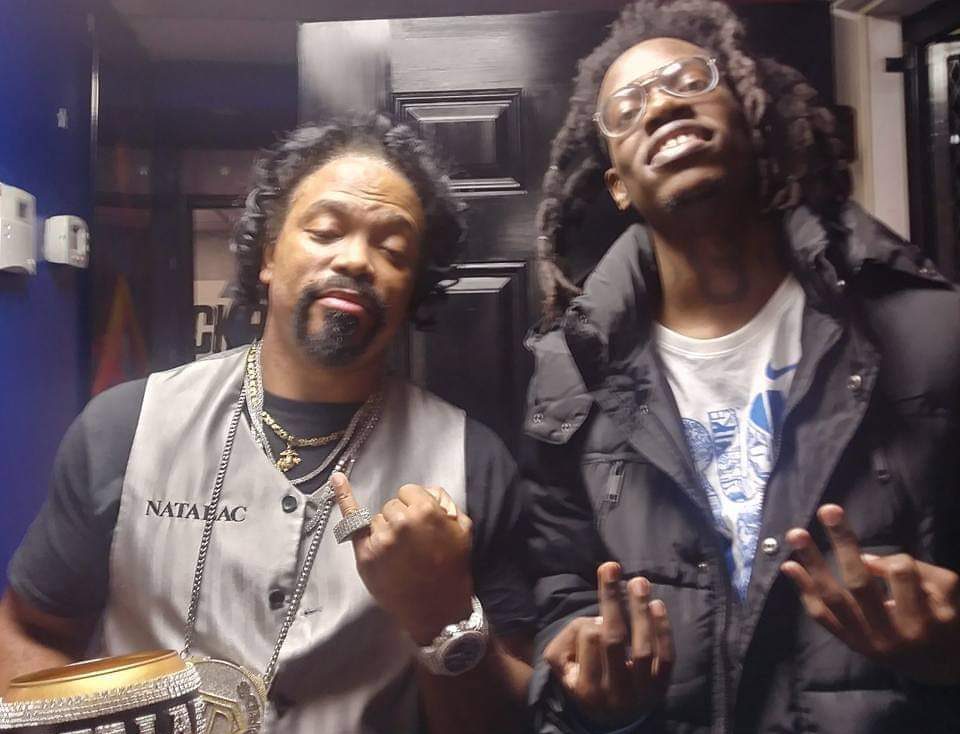
The tragic death of Jacksonville drill rap icon Julio Foolio (Charles Jones) in June 2024 sent shockwaves through the hip-hop community. In the aftermath of the violence and the high-profile murder convictions of those involved, the spotlight has turned to the elders of the Jacksonville scene who witnessed the tragedy unfolding. Among the most vocal is veteran artist and CEO Sheldon Martinez Davis, professionally known as Natalac, whose early mentorship of Foolio—and recent viral commentary on mental health—serves as a haunting reminder of the multi-layered dangers facing young artists.
The Genesis: “Bridge This Gap”
The professional bond between Natalac and Foolio dates back to 2018. Foolio, then an up-and-coming teenage rapper brimming with raw talent, visited Natalac’s recording studio. The chemistry resulted in the track “Bridge This Gap,” which was featured on Natalac’s album Pimp of the Nation.
For Foolio, the collaboration was a pivotal moment, providing crucial early exposure and an introduction to an established audience. The song remains a testament to Foolio’s early creative drive, so much so that an official slowed and chopped version was distributed to streaming platforms to preserve the moment. Natalac frequently recalls how respectful, focused, and dedicated Foolio was while crafting his verses in the studio—a stark contrast to the volatile persona seen online.
Prophetic Warnings, AI Tributes, and the Tragedies of Prison Life
As an older figure in the local music industry, Natalac recognized the immense talent of the younger generation but feared the deadly reality of the “drill” subgenre. He actively attempted to mentor Foolio, advising him to steer away from the hyper-local street feuds that fueled his viral success.
Natalac’s warnings were captured musically in his poignant track “Jacksonville Hip Hop” on YouTube, where he foretold that the cycle of violence would ultimately lead to federal cases or early graves. To drive the message home visually, the official music video features a striking, ghost-like cameo of the late Julio Foolio, brought back to life via an AI version to serve as a cautionary symbol for the culture.
Beyond the threat of early death, the track dives deep into the grim realities and tragedies of lifelong incarceration that decimate families. Natalac speaks from a place of deep personal pain on this issue, openly noting the tragedy of his own cousin, Avery Collins (Florida Department of Corrections DC# 071998), who has been trapped behind bars in the state prison system since the 1980s. By highlighting his cousin’s decades-long loss of freedom, Natalac strips away any false glamour from the outlaw lifestyle, showing the next generation exactly what a lifetime in a cell looks like.
Facing the Ultimate Price: The Fight for Life Over Death
The cold reality of Natalac’s warnings has been vividly put on display in a Florida courtroom. In May 2026, a jury found the four primary men tied to the ambush—Isaiah Chance, Sean Gathright, Rashad Murphy, and Davion Murphy—guilty of first-degree premeditated murder. The convictions immediately thrust the young men into a high-stakes penalty phase where they are actively fighting to avoid a potential death sentence.
During the intense sentencing phase, defense attorneys and the killers themselves have been making desperate appeals to secure life imprisonment without parole instead of the death penalty. In a viral turn of events, the defense brought forward a former prison warden who testified that 20-year-old gunman Sean Gathright should be spared execution, arguing his youth and physical health mean the state facility could instead benefit from his long-term “sweat equity” and labor. Gathright himself took the stand to take responsibility and plead for his life, proving that the violent paths celebrated in drill rap inevitably lead to pleading for survival behind concrete walls.
The Lookout’s Legal Battle: Alicia Andrews
Further underscoring the systemic destruction of the community is the legal saga of accomplice lookout Alicia Andrews, the former girlfriend of co-defendant Isaiah Chance. Unlike her male co-defendants, a Tampa jury found Andrews guilty of the lesser offense of manslaughter in late 2025, clearing her of first-degree murder and conspiracy charges after she testified she was completely unaware of the active hit plot.
However, her legal battle has been extended by immense procedural drama. Her sentencing phase was abruptly frozen after the Florida Supreme Court disqualified the original trial judge, Michelle Sisco, over allegations of severe judicial bias raised by Andrews’ defense. Now being heard by a new judge, her defense attorneys have filed aggressive motions for a total acquittal or a brand new trial, arguing the original conviction was fundamentally unfair. While her four male counterparts face execution or life terms, Andrews’ sentencing has been delayed to May 22, 2026, where she still faces a maximum penalty of up to 15 years in a Florida state prison under manslaughter guidelines if her conviction sticks.
Industry Neglect and the Viral Callout on Mental Health
Natalac’s role as an industry watchdog extended beyond street violence into a fierce critique of how the music industry handles mental health. Following the tragic February 2026 suicide of fellow Jacksonville rapper Lil Poppa—who reportedly contacted his team in distress immediately before his passing—Natalac went viral for forcefully addressing the tragedy.
In a widely circulated video, Natalac directed his anger at the late rapper’s management, accusing them of exploitative neglect. He openly stated that the management team was fully aware of the young artist’s severe depression and desire to die, yet failed to intervene or utilize Florida’s Baker Act to mandate emergency mental health services. “You should have helped him,” Natalac stated in his viral rebuke, arguing that the industry often prioritizes profits and content over the literal survival of young talent.
Keeping the Movement Alive: Back-to-Back Positive Action
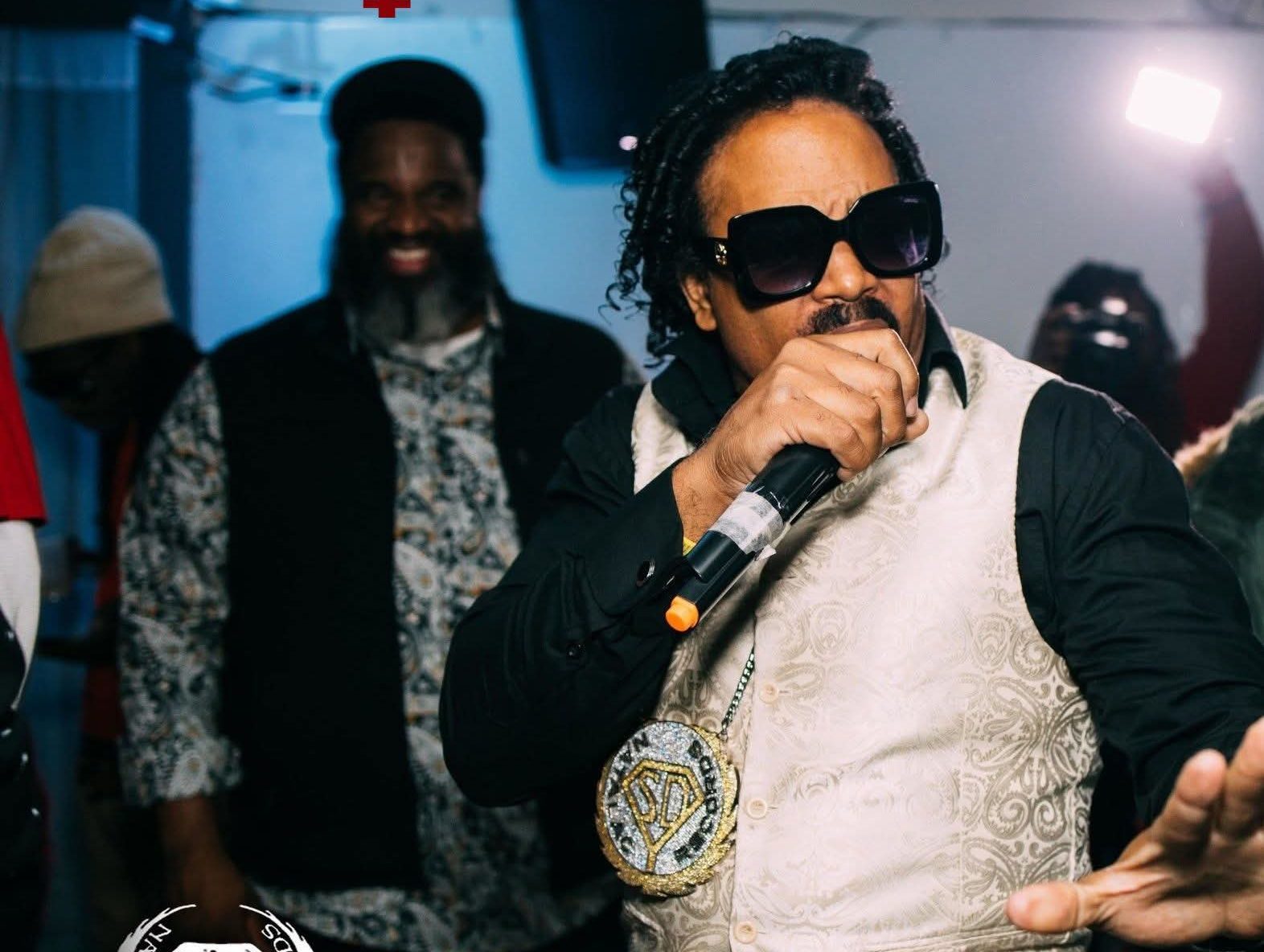
Rather than letting the loss of young talents become mere statistics in rap history, Natalac and his label, Natalac Records, have turned words into concrete, recurring action. Proving that their mission is an ongoing necessity, the community has seen back-to-back positive summits held in the state of Florida during the month of March across two consecutive years:
- March 2025 – The “Unity is the Key” Summit: Natalac collaborated with Nubians United for Self-Defense (NUSD) to host the “State of Emergency! Saving Black Youth Summit” at the Island Tropics Banquet Hall. The event was dedicated to taking a stand and mentoring youth on the First Coast against gun and gang violence.
- March 2026 – The Return of “Come Together Day”: Keeping the momentum exactly one year later, Natalac joined forces with local icon DJ Jit (DJ Gitt, “The King of the Hood”) and Stronghold Entertainment to host “Come Together Day” on Ribault Scenic Drive. This all-ages, citywide youth empowerment summit replaced street hostility with love, line dancing, and professional mentorship.
Changing the Narrative
Musically, Natalac has shifted his tone to honor his late peers while demanding a cultural pivot. His track “Positive Vibes” serves as a direct tribute, urging the next generation of rappers to “change the narrative,” reject the cycle of retaliatory violence, and demand better care from the teams that manage them. Although the names of the individual events may change, Natalac’s underlying mission remains completely unyielding: “Unity is the Key,” and saving Black youth is the ultimate priority. For Natalac, survival is the ultimate form of success.
Connect With Natalac:
- Instagram: Natalac74
- Facebook: Natalac Sheldon M Davis
- X (Twitter): Natalac74
- Wikipedia: Natalac Wikipedia page
- Spotify: Natalac