
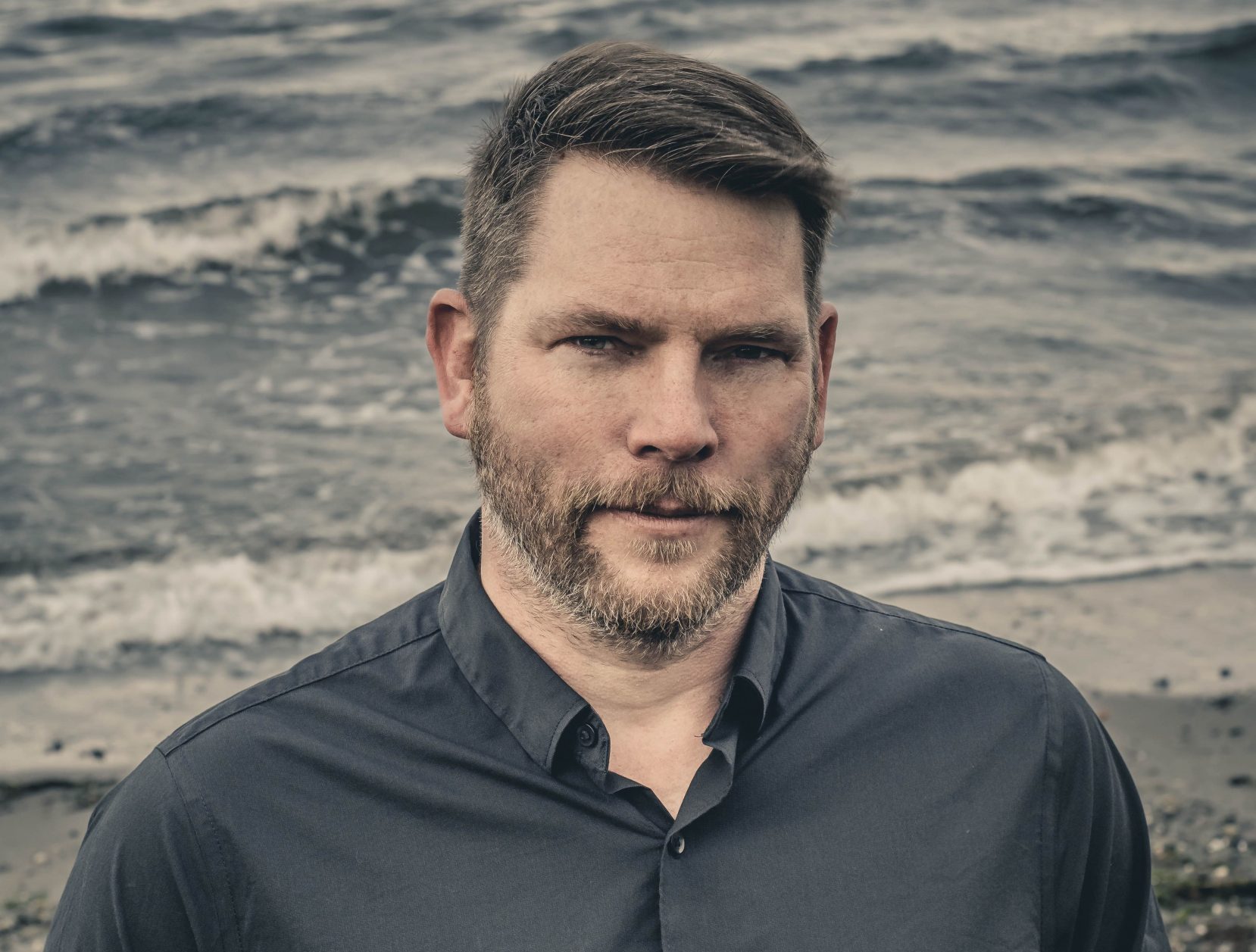
On Whidbey Island in Washington, life has a quieter rhythm. The small towns move slower. The coastline stretches wide and open. For singer-songwriter Rob Swan, that setting has become the place where many of his songs begin.
Swan is an independent Americana and alt-country artist based in Oak Harbor, and much of his writing takes shape on the rural Pacific Northwest island he calls home. The isolation of the landscape shows up in his music, but so do the influences of his Southern roots. Together they form a style that feels reflective, grounded, and personal.
His songs often land in places many writers avoid.
Swan writes about grief, loyalty, fatherhood, and the complicated emotions that follow love and loss. The people in his songs feel familiar. They work hard, care deeply, and sometimes find themselves dealing with the consequences of that care long after others have moved on.
His latest single, “I Didn’t Sign Up for That,” tells one of the most personal stories he has put to music so far. The song focuses on a kind of heartbreak that rarely appears in country songwriting: the experience of a step-parent who forms a deep bond with a child, only to lose that connection when the relationship with the child’s biological parent ends.
For many people, that loss carries the weight of losing family. But unlike other kinds of grief, there is often no clear place to put it.
Instead of dramatizing the situation, Swan approaches the song with restraint. The lyrics focus on the quiet aftermath and the emotional confusion that follows. It’s a story told plainly, allowing listeners to sit with the reality of what that loss feels like.
That kind of honesty has become central to Swan’s writing. He isn’t trying to chase trends or shape songs around what might work on radio playlists. His focus is on telling stories that feel real, even when those stories are uncomfortable.
Swan frequently works with Florida-based singer-songwriter Brandon Labonte, a collaborator who often appears on his singles. Together they’ve shaped a sound that stays simple and stripped back, leaving room for the storytelling to lead the way.
While many of Swan’s songs explore heavier emotional ground, he also captures the everyday details of working-class life. His track “Big Trucks and Little Dogs” connected strongly with listeners, nearing 20,000 streams. The song offers an affectionate look at diesel trucks, loyal dogs, and the quiet routines that define many people’s lives.
Like much of Swan’s music, it reflects a sense of loyalty and tenderness that runs beneath the surface.
Looking ahead, Swan’s goals are straightforward. He wants to continue writing songs that feel honest, keep developing his craft, and eventually make a living creating music that reflects real experiences.
For Rob Swan, the aim isn’t to polish life into something perfect.
It’s to write songs that sound like the truth.