

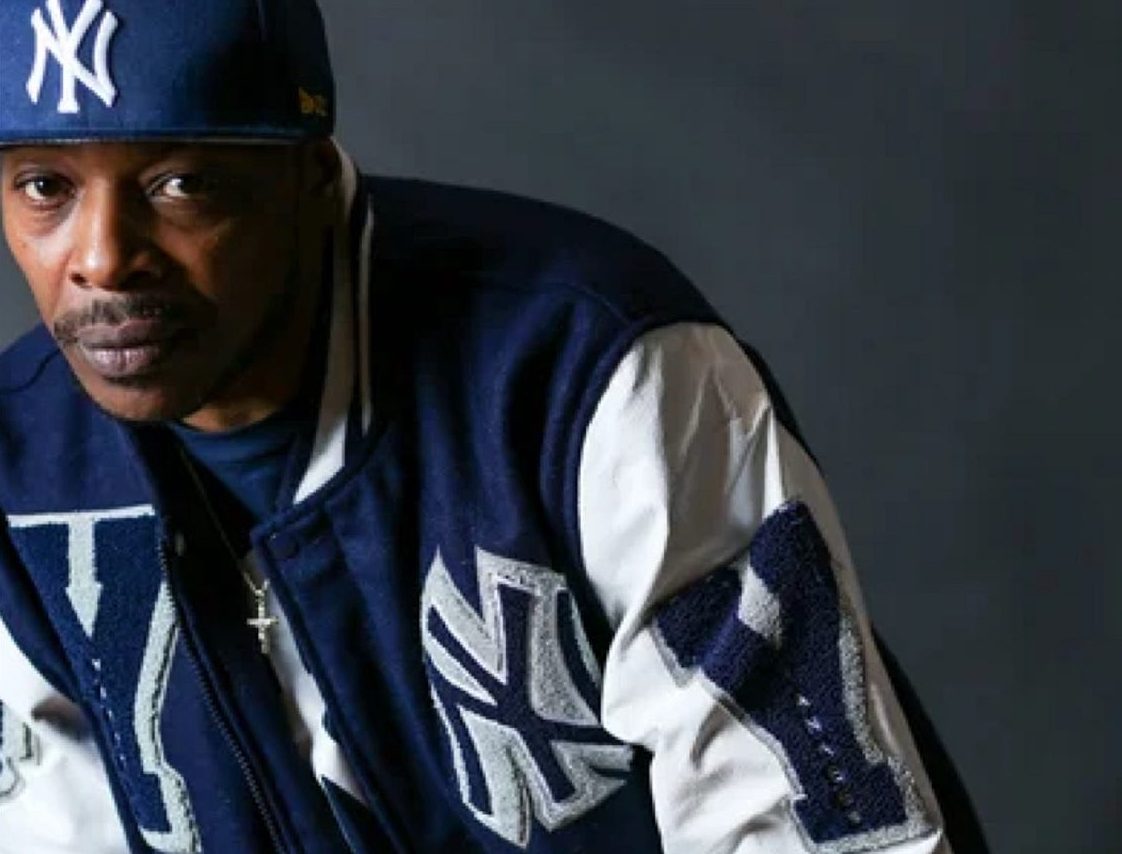
Hip-hop has always been rooted in truth, storytelling, and survival — and for Bronx artist Stoney Brooks, those elements aren’t just part of the culture, they define his life. Emerging from the birthplace of hip-hop, Brooks represents a lineage that values authenticity over gimmicks and real experiences over manufactured moments.
His connection to the culture started early, sparked by hearing KRS-One — an artist who not only influenced him musically but showed him what was possible. Seeing someone from the same borough rise and represent the Bronx made the dream feel tangible. From that moment on, hip-hop became more than music — it became purpose.
That purpose shows up in the way Stoney Brooks creates.
His creative process isn’t confined to one formula. Sometimes a beat sets the tone, guiding his delivery and message. Other times, real-life experiences shape the direction of a record before the music even begins. That flexibility allows his work to stay grounded in reality while still evolving creatively.
Influenced heavily by Nas, Brooks approaches storytelling with intention. He doesn’t just rap — he paints pictures. Each verse is crafted to pull listeners into his world, reflecting the environments, challenges, and emotions that have shaped him.
For those new to his music, “When My Homies Call” stands as a defining introduction. The record captures a real moment in his life, delivered with honesty and detail that reflects his commitment to authenticity. There’s no separation between the artist and the man — what you hear is what he’s lived.
That authenticity hasn’t come without challenges.
Navigating the independent music space has been one of the toughest aspects of his journey. From dealing with industry gatekeeping to watching opportunities become limited for artists without major backing, Brooks has had to rely on persistence and self-belief. Despite the obstacles, he continues to push forward, focused on creating quality music that speaks for itself.
His perspective on the current state of hip-hop reflects both appreciation and concern. While he respects how the culture continues to evolve, he acknowledges the shift toward gimmicks and the lack of artist development. For him, the goal is not to follow trends, but to preserve the foundation that made hip-hop what it is.
Beyond the music, there’s more depth to Stoney Brooks than listeners may initially realize. His influences stretch beyond hip-hop, bringing a range of sounds and perspectives into his work. That versatility is beginning to show in new releases like “Bring the Flow Back,” a record that reflects both his roots and his evolution.
At the core of his journey is resilience.
From personal setbacks, including incarceration and loss, to rebuilding his path, Brooks has remained focused on his mission. His story is one of perseverance — a reminder that obstacles don’t define you, your response to them does.
Looking ahead, Stoney Brooks is continuing to build momentum. With a new project in the works, more collaborations on the horizon, and a renewed focus on pushing the culture forward, he’s positioning himself as a voice that stands for something real.
For Stoney Brooks, hip-hop isn’t just a platform — it’s a responsibility.
And as he continues to represent the Bronx and his experiences through music, one thing is clear:
The foundation of real hip-hop is still alive — and he’s carrying it forward.