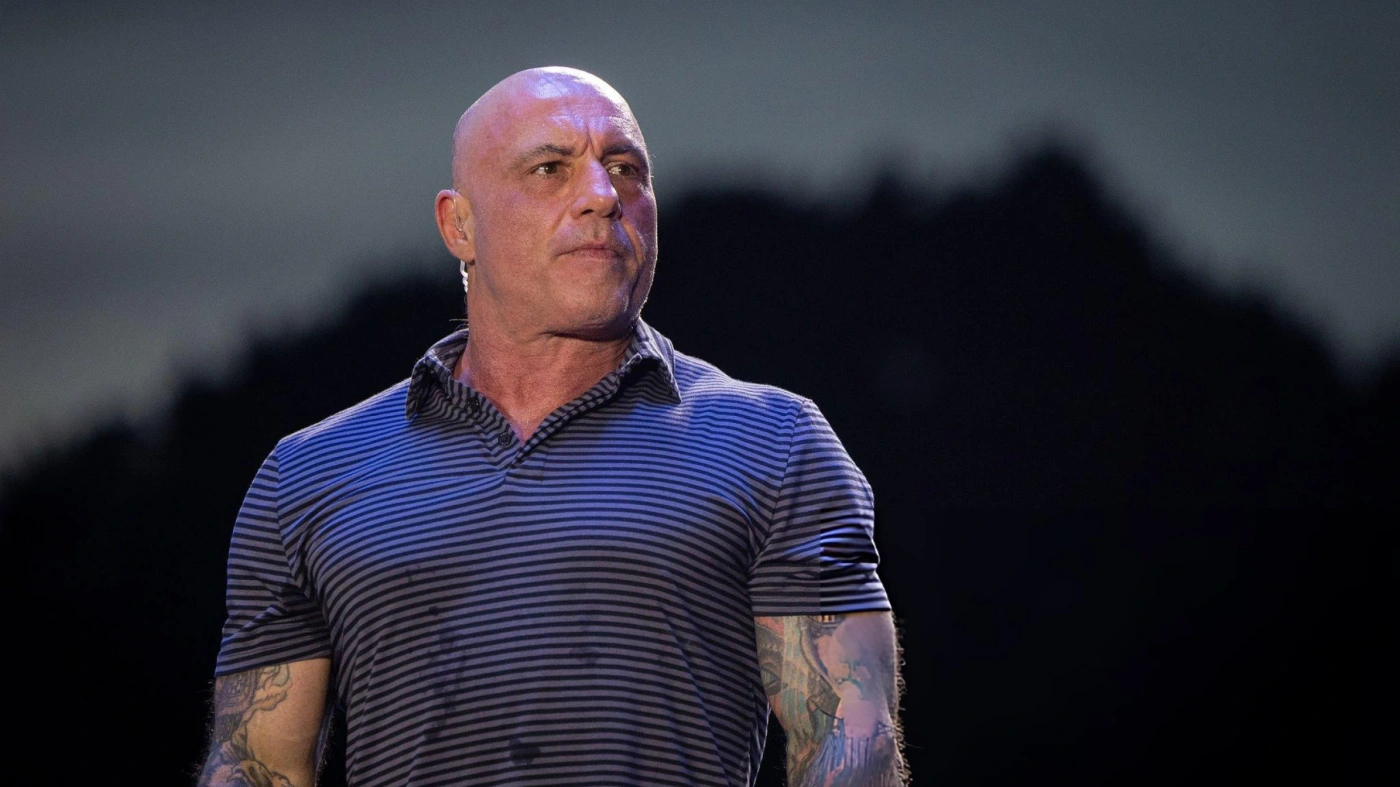

Joe Rogan is drawing attention for linking rap’s recent commercial downturn to the dismantling of USAID, even though no evidence shows the foreign-aid agency was financing mainstream American hip-hop.
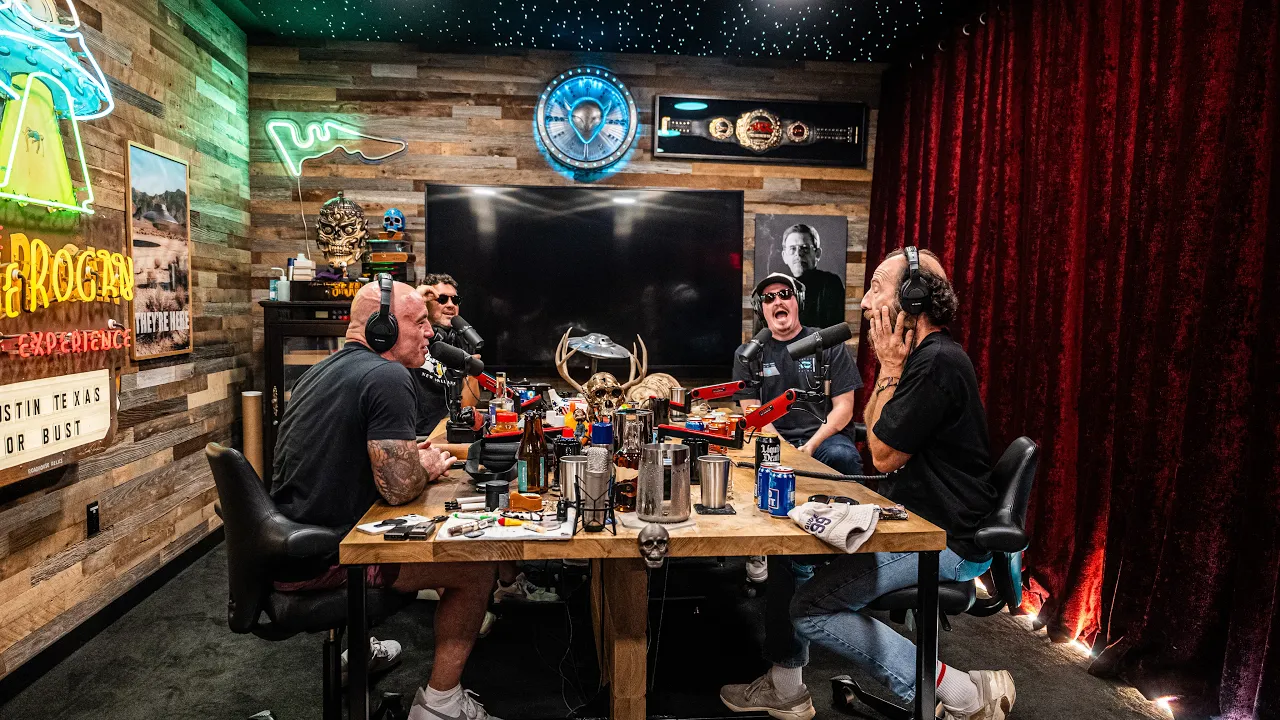
Joe Rogan connected rap’s recent chart struggles to USAID cuts during a new Joe Rogan Experience conversation with Shane Gillis, Mark Normand and Ari Shaffir. According to NME, Rogan said rap had fallen off the charts “because USAID got defunded” while discussing the changing popularity of rock and hip-hop in the United States.
Rogan pointed to documented cases in which USAID supported music-related programs overseas, including projects involving rappers, and suggested there could be a broader connection to rap’s commercial reach. He said he had read about the subject online and referenced claims associated with former Trump administration speechwriter and previous podcast guest Mike Benz.
There is, however, a major distinction between USAID-backed cultural or political programs abroad and the U.S. commercial rap industry. Reporting on the viral theory has found examples of American foreign-policy initiatives that used music overseas, including an effort involving Cuban rappers, but no evidence that USAID secretly funded mainstream U.S. rap artists or drove their chart success.

Rap’s weaker showing near the top of the Billboard Hot 100 is real, but the timing alone does not prove Rogan’s theory. Industry observers have pointed instead to changing listening habits, increased competition from other genres and adjustments to Billboard’s chart methodology as more direct factors affecting how rap records perform nationally.
Rogan has raised similar questions before. During a July episode with Tony Hinchcliffe, he described the idea that government agencies helped popularize gangsta rap as an extreme conspiracy theory and openly questioned whether USAID could have played any role, saying at one point that the theory “can’t be real.” His newer comments place more emphasis on the timing of USAID’s dismantling and rap’s chart decline.
For now, the connection remains speculation rather than an established explanation for hip-hop’s commercial movement. USAID’s responsibilities were transferred to the State Department after the agency was dismantled in 2025, but no credible evidence has surfaced showing that the change cut off funding to American rap artists or caused the genre’s current chart performance.
More News, King Kami’s Rise: From Poetry Pages to Purpose-Driven Rap