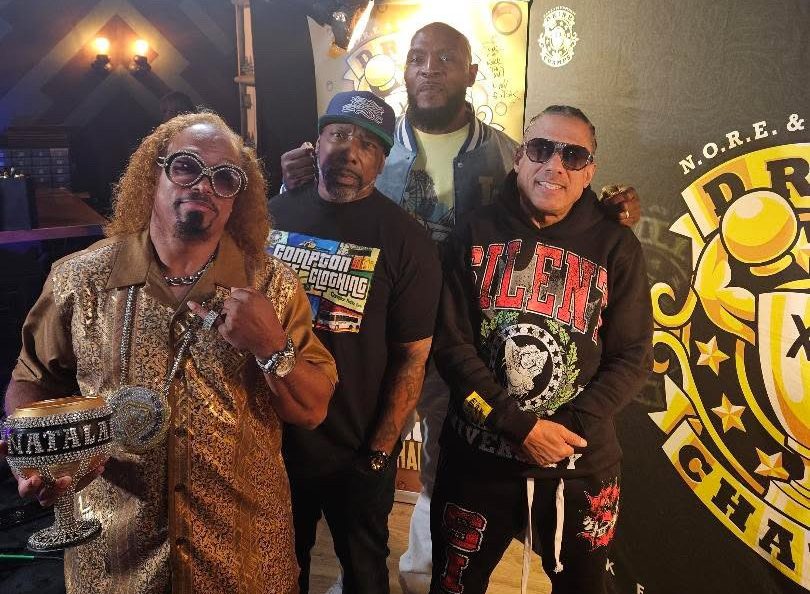

Hip-hop’s relationship with pimp culture stretches across generations, from the smooth player anthems of the West Coast to the trunk-rattling street music of the South. However, few artists have built an identity around the culture as deliberately and consistently as Jacksonville, Florida rapper and entrepreneur Natalac, born Sheldon Martinez Davis.
Through slow-rolling Southern production, flamboyant presentation and an uncompromising street philosophy, Natalac created a musical identity that stood apart from the dominant sounds of his era. Rather than occasionally incorporating pimp-inspired imagery into his records, he developed and promoted an entire lane known as pimp hop.
Natalac’s official biography identifies him as a Southern rapper and the CEO of both Natalac Records and the trucking company Natalac Express. Independent coverage has also highlighted his three-decade career and longstanding connection to Jacksonville’s hip-hop community. (Natalac)
The Birth of Pimp Hop
During the late 1990s and early 2000s, Southern hip-hop was undergoing a major creative expansion. Crunk, bounce and other regional movements were beginning to reach national audiences, while independent artists developed sounds rooted in their respective cities and communities.
Natalac entered that landscape with a different approach. His music combined the rhythmic storytelling of classic macking with heavy Southern basslines, funk and soul influences, deliberate pacing and a commanding vocal presence.
That vision came into focus through “Pimp of the City,” the early-2000s record that introduced a much wider audience to his distinctive persona. Its visual presentation found an audience through BET Uncut, the network’s late-night music video block that operated from 2000 until 2006 and became known for showcasing provocative videos that rarely appeared during daytime programming. (YouTube)
The record established many of the elements that would define Natalac’s version of pimp hop: sharp suits, elaborate accessories, theatrical confidence, street philosophy and a controlled Southern delivery.
At the center of the song was one of his most memorable declarations: “I don’t want much, just all you got.”
The line captured the ambition and uncompromising attitude behind the character he presented. While many Southern releases from the period were driven by fast, aggressive club energy, Natalac’s music often moved at a slower and more cinematic pace. Heavy low-end production, smooth instrumentation and extended storytelling made the records feel like scenes from a stylized street film.
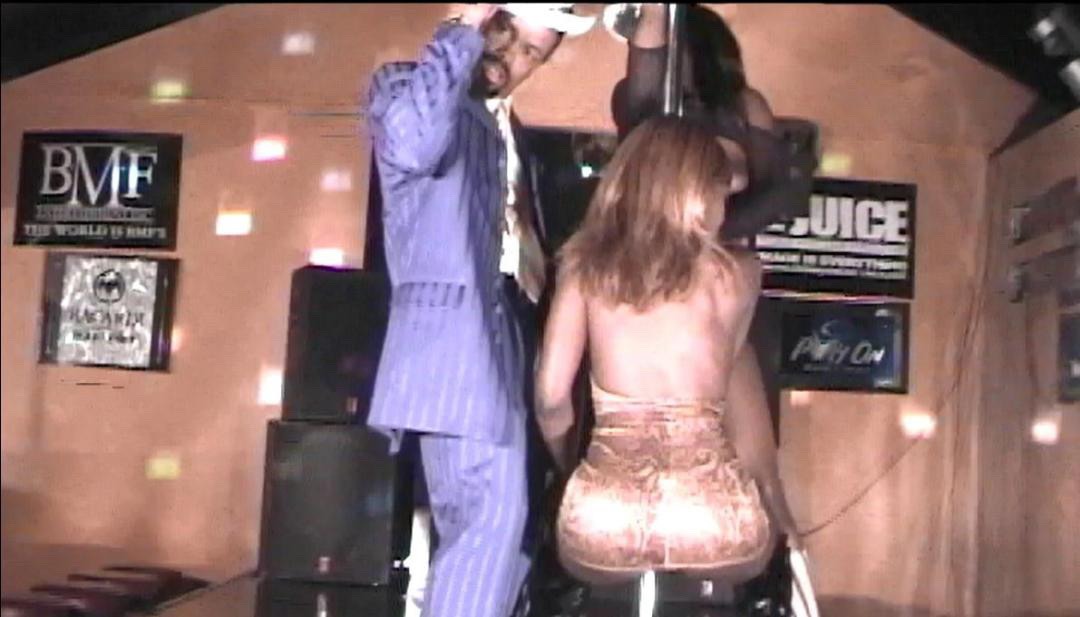
From Late-Night Television to The Boondocks
One of the most fascinating chapters in Natalac’s story is the frequently discussed connection between his public image and A Pimp Named Slickback, the extravagant, purple-suited recurring character from Aaron McGruder’s animated series The Boondocks.
The character is voiced by comedian Katt Williams and appears in several episodes of the series, beginning with the first-season episode “Guess Hoe’s Coming to Dinner.” (IMDb)
Over the years, character references and music profiles have repeatedly linked Slickback’s appearance to Natalac and the imagery surrounding “Pimp of the City.” Natalac has also embraced the comparison through interviews, promotional artwork and projects such as A Pimp Named Slickback, That’s Natalac. Because a direct production statement from McGruder or Adult Swim confirming the inspiration has not surfaced publicly, the connection is best described as widely cited rather than formally confirmed. (Wikipedia)
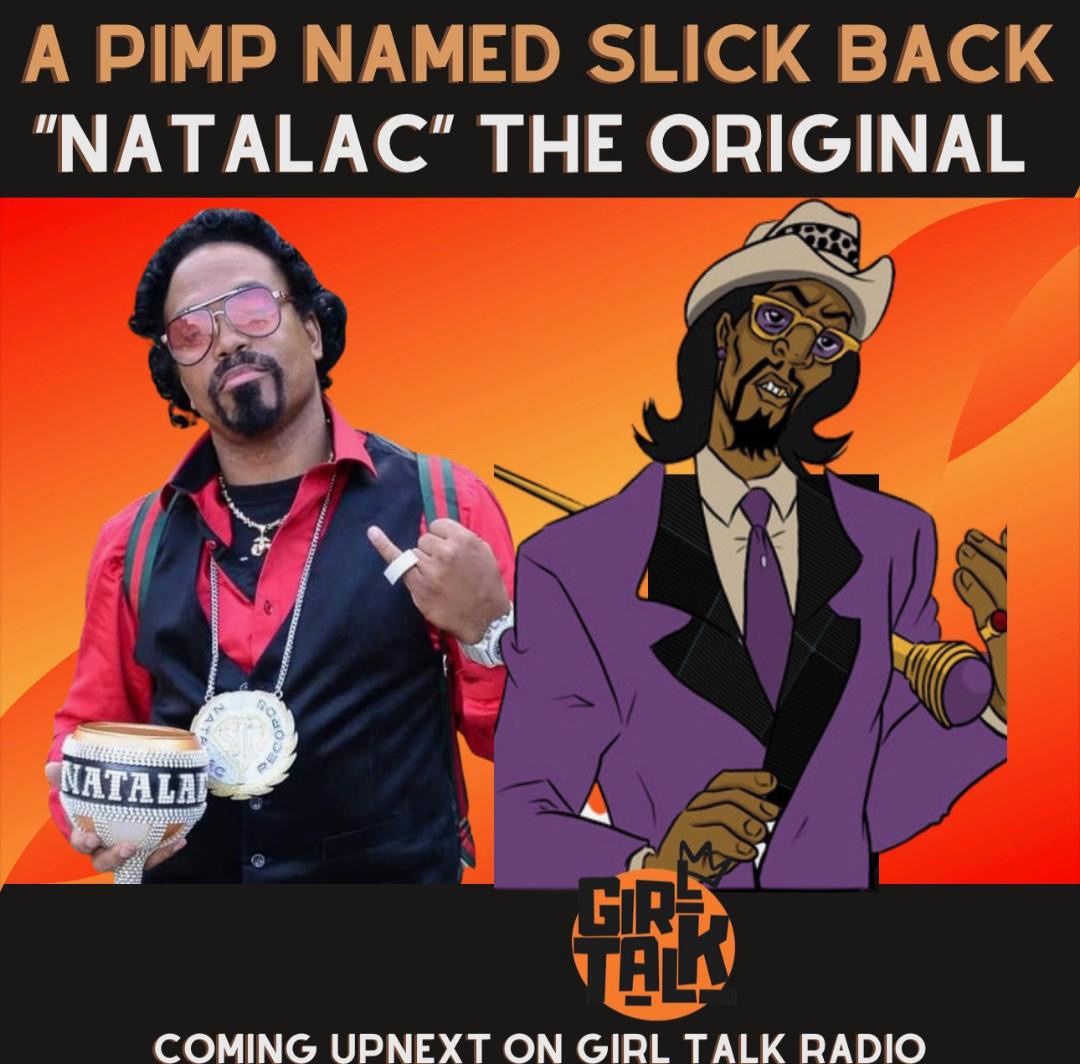
The similarities that fuel the comparison are easy to understand. Both presentations feature elaborate suits, carefully chosen accessories, theatrical speech and unwavering dedication to a strict personal code. Those shared qualities helped extend the conversation surrounding Natalac beyond independent Southern rap and into television and animation.
A promoted Girl Talk Radio appearance further explored his career, the development of pimp hop and the story behind his distinctive public persona. (Facebook)

A Distinct Voice Within a Larger Tradition
Natalac’s work belongs to a broader hip-hop tradition in which artists have used player culture, street philosophy, humor and pimp-inspired imagery to construct memorable musical identities.
Artists associated with Texas and the West Coast developed smooth, instrument-driven player music built around charisma, storytelling and car culture. Southern performers also brought similar language into darker club records and energetic crowd anthems.
Natalac’s contribution remains distinct because he treated pimp hop as more than a temporary song concept. He gave the style a name, consistent visual language and independent business identity.
His interpretation drew heavily from Southern rap, 1970s blaxploitation aesthetics, late-night television and exaggerated character-building. The result was a recognizable creative world that separated him from other performers addressing similar themes.
Rather than changing his presentation whenever hip-hop entered a new trend cycle, Natalac continued developing the identity he introduced during the “Pimp of the City” era.
Building an Independent Legacy
Across decades of releases, Natalac has continued expanding his catalog while remaining committed to the themes and visual presentation associated with his name.
Projects including The Answers, Pimp of the Nation, Love & Pimp-Hop and The Return of Goldie document different periods of his career. His official platform also continues to promote records such as “Pimp of the City,” “STAAACKS,” “Step Daddy,” “Ain’t Nothin Like a Pimp” and “Rates.” (Natalac)
That consistency is especially significant in a genre where trends change quickly. Natalac did not simply release one memorable late-night video and disappear. He transformed his image into a broader independent brand incorporating music, merchandise, film, entrepreneurship and trucking.
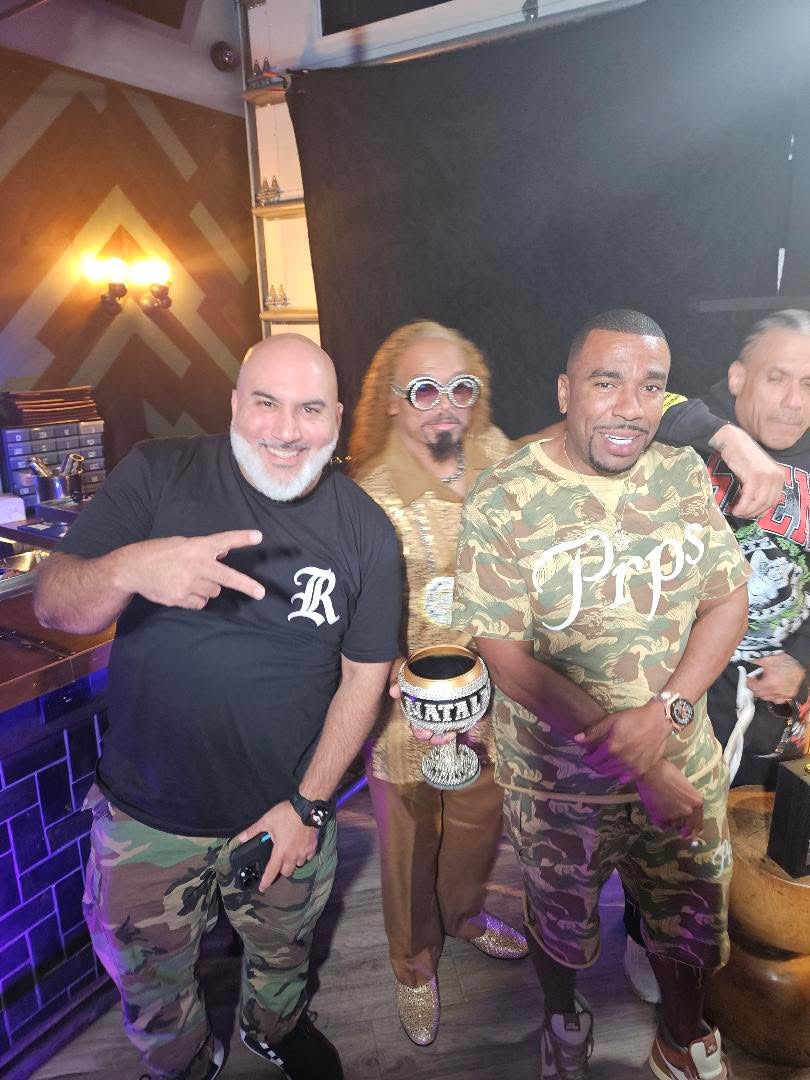
His story represents more than an appearance on BET Uncut or a frequently repeated connection to an animated character. It is the story of an independent Southern artist who recognized the value of establishing his own category and remained committed to it for decades.
From late-night television screens and independent albums to radio interviews and conversations surrounding The Boondocks, Natalac’s legacy demonstrates how a strongly defined image can grow beyond music and become part of a wider pop-culture narrative.
For Natalac, pimp hop has never been presented as a temporary gimmick. It is a musical identity, an independent business model and an enduring brand he has spent much of his career developing.
Connect With Natalac:
- Instagram: Natalac74
- Facebook: Natalac Sheldon M Davis
- X (Twitter): Natalac74
- Wikipedia: Natalac Wikipedia page
- Spotify: Natalac
More News, No Major Needed: Kiii Builds His Own Global Hip-Hop Network