
Cathleen Ireland steps into the emotional chaos of modern relationships with “Do You Care,” a sharp, vulnerable single that speaks directly to anyone who has ever watched a meaningful connection disappear behind a blocked profile. Built around contemporary language, memorable vocal phrasing, and an emotionally exposed chorus, the track transforms digital rejection into something personal, rhythmic, and instantly relatable.
Ireland establishes the conflict from the jump: “Bae, bae, block me / But you can’t stop me.” It is a strong opening because it captures both defiance and desperation. The other person may have closed the channel of communication, but Ireland makes it clear that feelings cannot be switched off as easily as notifications. She is locked out of the conversation while remaining trapped inside the memories.
The writing draws much of its character from playful, stuttered phrases like “ka ka catch me” and “ga ga ghost me.” These lines give the song a modern pop and R&B bounce, but they also represent a mind struggling to understand an abrupt ending. Ireland turns emotional confusion into cadence, using repetition almost like a percussive instrument.
What separates “Do You Care” from a standard breakup anthem is its willingness to admit need. Ireland does not pretend she has already moved on, and she does not cover the pain with exaggerated confidence. “I just wanna talk to you / Wanna be unblocked to you / I just wanna be your friend again,” she sings. It is direct, uncomfortable, and honest, the kind of confession many people feel but rarely want to say aloud.
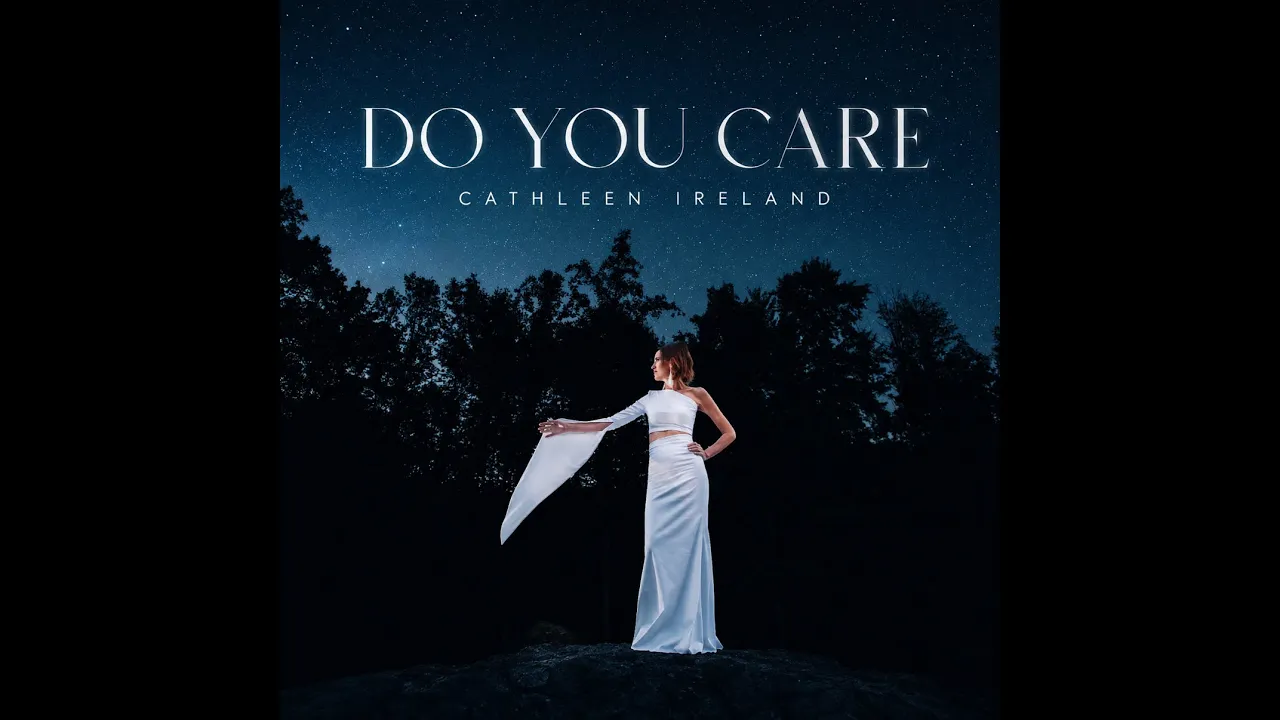

The hook centers on a simple question: “Do you care enough for me?” As Ireland repeats the line, its meaning shifts. It sounds like a plea at first, then a challenge, and finally an expression of disbelief. Her declaration that she “can’t breathe” raises the emotional pressure before the song confronts its most devastating possibility: two people who once shared an intimate connection may never speak again.
Ireland adds another layer with the line, “I’m not perfection, babe / But I was true to you.” Instead of presenting herself as flawless, she claims something more credible: loyalty. That distinction gives the song emotional maturity and prevents its narrator from becoming either a victim or a caricature of empowerment.
The polished, groove focused presentation gives “Do You Care” clear crossover potential. Its language belongs to the social media era, its hooks are designed to stay in the listener’s head, and its emotional center reaches beyond any single genre. Ireland is working in pop and R&B territory, but her rhythmic phrasing should also connect with listeners drawn to melodic hip hop and contemporary music centered on relationships.
“Do You Care” does not supply a neat resolution. The blocked connection remains blocked, and the unanswered question stays unanswered. But Cathleen Ireland makes that uncertainty the song’s strength. She turns ghosting into a real human confrontation and gives silence a hook loud enough to break through.
Connect with Cathleen Ireland
Instagram | TikTok | YouTube | Facebook | Spotify | Website
More News, Tinashe Pushes Into Club Territory With New Single ‘Melatonin’


NOLA BLACC Returns With “STILL SCARRED,” a Powerful Record Rooted in Real-Life Struggles
October 13, 2026