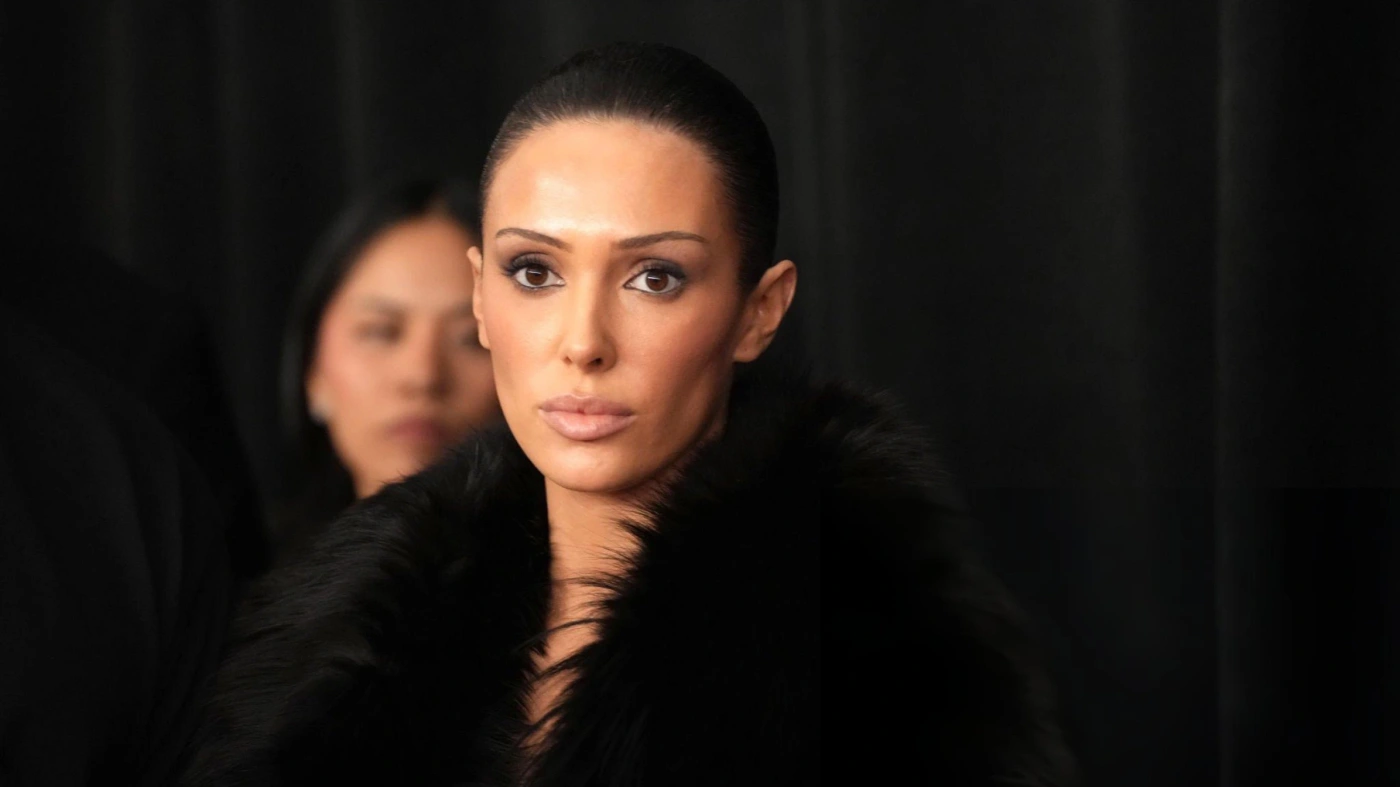

Bianca Censori is opening up about why she avoids interviews, saying the public version of her often feels far removed from the person she knows herself to be.
Bianca Censori addressed fame, perception and the limits of interviews in a new essay published by Welcome as part of its POSTPOSTPOST series. In the piece, Censori explains that she dislikes seeing people reduced to fixed descriptions, writing that she has only done one formal interview and did not fully recognize herself in the finished version.
Censori argues that written interviews can flatten tone, timing and context into something more rigid than the person being described. She says that feeling misread has become a recurring tension in her public life, particularly as her image, clothing and creative work are constantly interpreted by people who do not know her personally.
She recalls meeting an art dealer at the Chateau Marmont who asked whether she could “perform” at a gallery, a request that left her both flattered and uncomfortable. Censori writes, “I felt flattered, but also misunderstood,” before describing how that feeling can push her between what she calls “God mode” and “mouse mode.”
The essay also touches on her creative identity and the way repetition can shape public perception. Censori points to being described in the press as an “enigmatic performance artist” after testifying in court, reflecting on how repeated labels can eventually harden into accepted descriptions even when the person behind them feels more complicated.
Censori also writes about her marriage to Ye and the way the two have discussed identity, behavior and bipolar disorder together. Rather than presenting herself as a fixed personality, she frames identity as something that can shift, be questioned and be rebuilt over time.
The essay arrives months after Censori gave a rare, wide-ranging interview in which she discussed her relationship, fashion and art more directly. Her creative work has also become increasingly visible this year, including directing Ye’s “Father” video and later helming the surreal “OK” visual featuring Don Toliver.
That broader body of work has already begun to change how Censori is covered beyond her public appearances. In her latest essay, however, she makes clear that being seen more often is not the same thing as being understood, writing that she still wonders whether she will “ever be known in the way I know myself.”
More News, Ye Shocks SoFi Stadium With Surprise Set During Usher and Chris Brown’s R&B Tour

Gorgeous Doll Claims Kai Cenat Paid $150K After Discussing $200K Abortion Deal
October 08, 2026