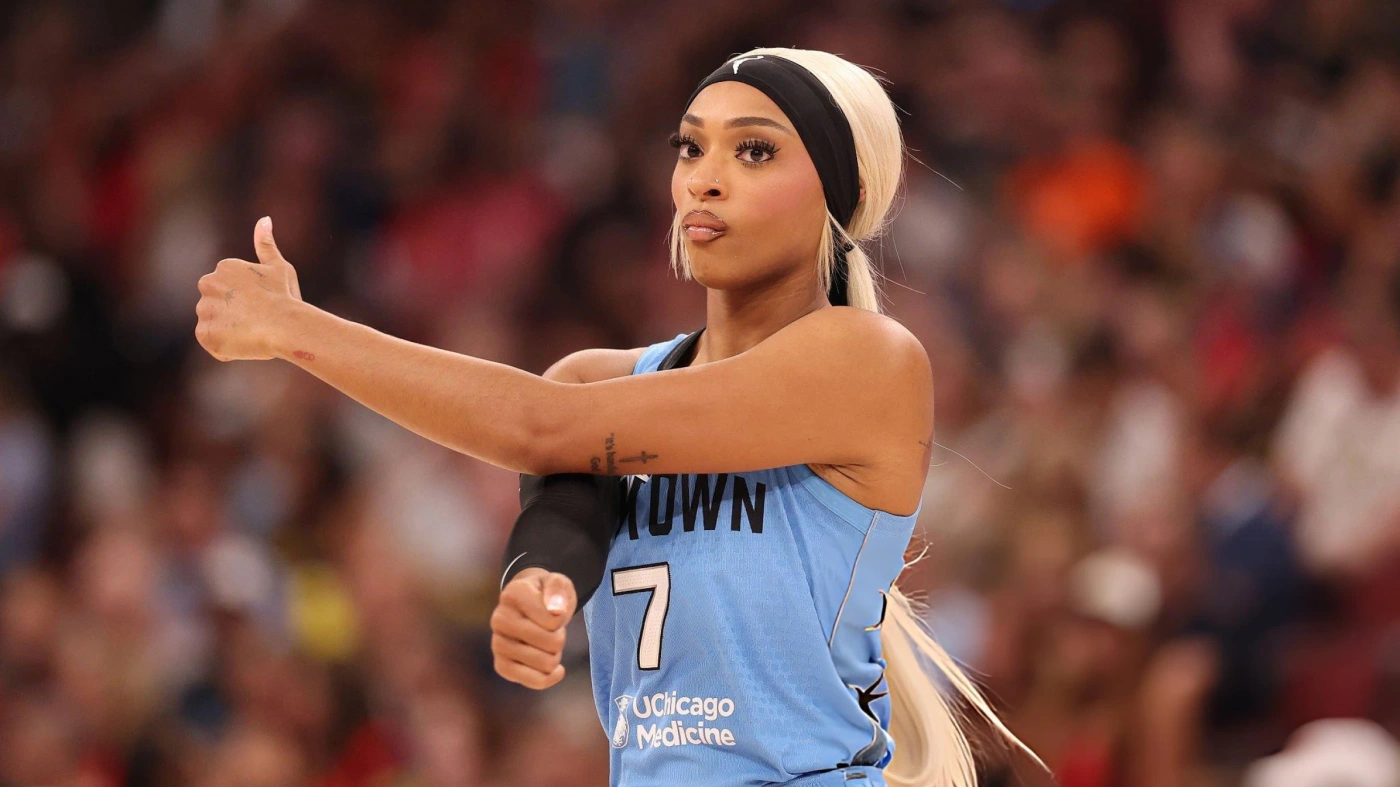

Boomer Esiason has entered the heated debate surrounding DiJonai Carrington, delivering a blistering response to the Chicago Sky guard’s controversial “white privilege” post. Speaking on Boomer & Gio, the former NFL MVP questioned Carrington’s explanation and argued that the timing of her message made its meaning appear obvious. Esiason also suggested the latest controversy is another example of the WNBA generating almost as much attention for personal feuds and cultural disputes as it does for basketball.
The flashpoint came during Chicago’s August 8 matchup against the Indiana Fever, when Carrington struck Sophie Cunningham around the head and jaw while attempting to stop a breakaway layup. Officials reviewed the play, upgraded the foul to a Flagrant 2 and automatically ejected Carrington. Indiana eventually secured a 90-86 victory, but the basketball result was quickly overshadowed when Carrington posted “WHITE PRIVILEGE @indianafever” on Threads before later highlighting the teams’ August 23 rematch.
Esiason said Carrington should have expected people to connect her message with the foul and ejection because it appeared immediately after she left the court. “How is everybody supposed to react to that?” he asked, according to WFAN’s original August 11 segment. He described the post as “something that stupid” and said Carrington’s subsequent reference to the rematch date “feels to me like it’s a threat,” although that was his interpretation rather than an established statement of intent.
Carrington later pushed back against that interpretation, insisting she had never claimed the foul assessment itself represented white privilege. The 28-year-old noted that she studied psychology and African and African American studies at Stanford, arguing that she understood the historical and social weight attached to the term. Carrington said she possessed evidence supporting what she meant, but she declined to reveal that evidence or explain exactly what part of the situation she believed demonstrated white privilege.
Cunningham rejected the suggestion that race played a role in Carrington’s ejection, noting that she had previously been removed from a game for a similar action and deserved that punishment. She described the foul as unnecessary but maintained that she had no existing personal feud with Carrington. Fever coach Stephanie White also supported the officials’ decision while saying she did not believe Carrington deliberately intended to strike Cunningham around the neck, separating the severity of the contact from assumptions about malicious intent.
Esiason broadened his criticism by connecting the confrontation to the attention surrounding Cunningham and Fever star Caitlin Clark. He speculated that their popularity, public profiles and differences with other players have made them frequent targets of resentment. Cunningham has recently faced backlash for her position on transgender participation in women’s sports, while Clark has repeatedly found herself at the center of debates involving physical play, officiating and the league’s rapidly expanding audience. Those theories remain Esiason’s opinion rather than confirmed motives behind Carrington’s foul.
The controversy now guarantees additional attention when Chicago and Indiana meet again on August 23. What began as a hard foul has expanded into a wider argument about race, player safety, political expression and how athletes use social media during emotional moments. Carrington’s clarification has not silenced her critics, while Esiason’s forceful response has pushed the story beyond WNBA circles. Unless Carrington reveals the evidence she referenced, the dispute will continue to revolve around competing interpretations of two words that transformed an ejection into a national sports debate.
More News, NBA Community Receives New Details Surrounding Brandon Clarke’s Tragic Death at 29

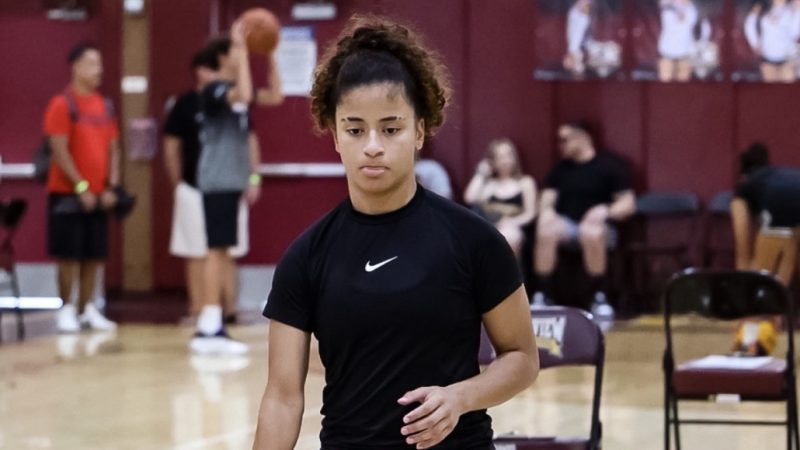
The Giant-Killer Blueprint: Zulymar Velazquez is the Ultimate College Basketball Cheat Code
October 05, 2026
Kawhi Leonard Returns to Toronto Focused on Basketball and Another Title Run
September 29, 2026