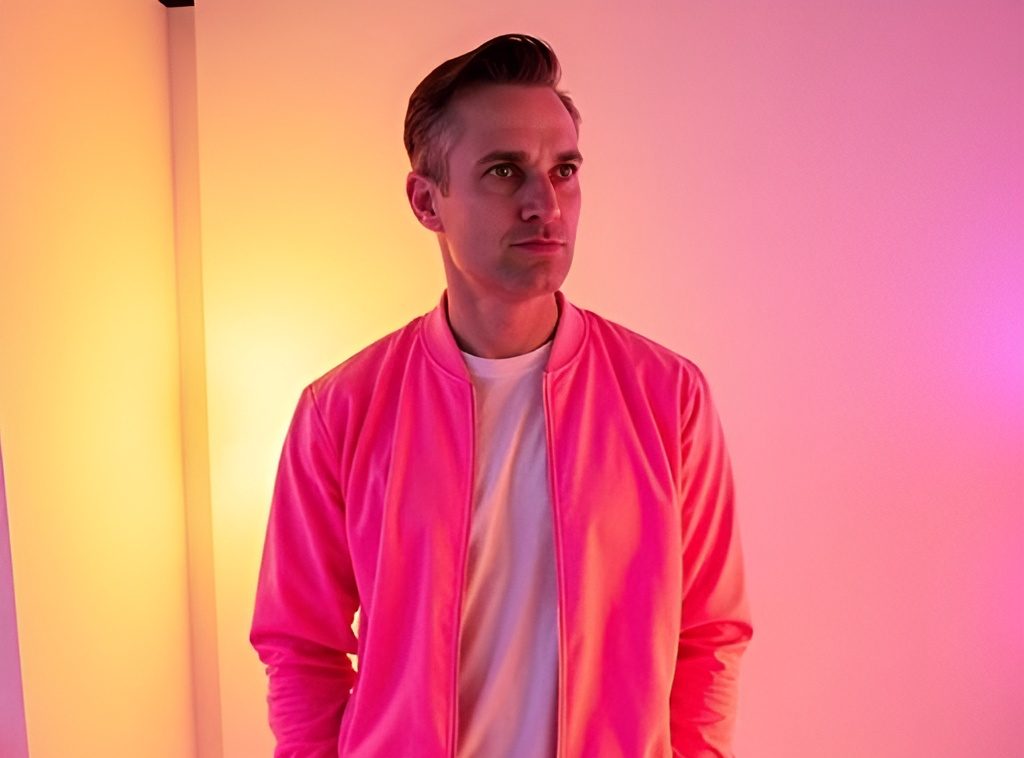

Capital Ferg’s story doesn’t begin in a studio, a label meeting, or a viral moment—it begins in experimentation, curiosity, and a lifelong connection to music that quietly evolved into something much deeper. From recording cassette tape freestyles with friends in the 90s to teaching himself production later in life, Ferg represents a different kind of artist journey—one built on reinvention, self-discovery, and the courage to start over when life demands it.
Now an independent artist with over 50 songs and a growing catalog that blends hip-hop, pop, R&B, and dancehall influences, Capital Ferg is stepping into his most intentional era yet with his upcoming EP Unbreaking. In this conversation, he reflects on late-blooming creativity, personal transformation, and the freedom of making music without limitations.
When did you first realize rap was more than just a hobby for you, and what was the moment that made you say, “This is it”?
I’ve shared this story before, but when I grew up, I was always interested in music and particularly hip-hop and urban pop and remember trying to record myself on cassette tapes with keyboards with a couple of different friends of mine. We always pretended we were a band. I remember in the 90s when East Coast West Coast hip-hop became a big thing. I really got into the music and had a way of learning the lyrics pretty quickly and would rap along with them and developed an ability to switch up flows and mimic those I was hearing.
Fast forward, I did karaoke and rap and people were always impressed that this white guy that was a little geeky could rap off the cuff and knew all these lyrics. In 2009 I took guitar lessons and started writing songs acoustically and performed open mics, then life happened—I got married and had kids and put it down for a while.
Later, during a difficult season where I was facing a potential divorce, I turned to poetry to process everything. That led to writing songs, then discovering tools like Rapchat, and eventually teaching myself beat-making through BandLab.
But the real “this is it” moment came when I recorded my first full song in a Walmart parking lot. I didn’t care about perfection—I just wanted to finish something. When I played it back in my car, I felt this wave of gratitude and realization: this was just the beginning of something real.
When you’re writing, do you start with the beat, the lyrics, or a feeling you want to capture?
It really depends. More than half the time I start with a beat and build from there. Sometimes I’m already thinking about lyrics while I’m making it. Other times I start with a full poem and find or create a beat that matches it.
There’s no set formula—it always starts with a spark, whether that’s emotion, a sound, or a concept. I just follow it wherever it goes.
Which artists or life experiences have shaped your style the most, and how can listeners hear that influence in your music?
I grew up on artists like Ludacris, T.I., and OutKast, but I also listened to Green Day, Depeche Mode, TLC, Ed Sheeran, Sean Paul, Justin Timberlake, and Missy Elliott.
So my influence isn’t one lane—it’s everything I connected with emotionally. I gravitate toward music that has groove, energy, and feeling. That’s why my sound can shift between hip-hop, pop, and dancehall-inspired styles.
If someone had never heard your music before, which one track should they start with, and why?
Probably “Staying With Me.” It has a mix of singing, rapping, and melodic R&B—it kind of represents everything I do in one song.
Another good entry point is “Like A Pro,” which has a dancehall-inspired hip-hop/pop vibe and shows a different side of my sound.


What’s the hardest obstacle you’ve faced in your career, and how did you overcome it?
The biggest obstacle is always the gap between what I hear in my head and what I’m actually able to create. Early on it was production and mixing. Then it was equipment. Then vocal delivery.
Every time I level up, I find a new limitation—but that’s part of the process. I’ve learned to keep improving instead of waiting for perfect conditions.
What’s one personal story behind a song that changed how you see life or music?
My song “Rebound” was a turning point. It let me experiment with a dancehall/reggaeton-inspired sound, but more importantly it came from a personal place of rebuilding and moving forward after a low point.
That song made me realize music isn’t just creative—it’s healing.
How do you feel about the current state of hip hop, and where do you see yourself fitting into it?
Hip-hop is more diverse than ever. There’s so much competition for attention now, but that also means more opportunity for independent artists like me.
I don’t stress too much about where I fit. I focus on creating and growing. If people connect with it, great. If not, I’m still enjoying the process.
What’s the most misunderstood thing about you as an artist or person, and how does your music set the record straight?
I don’t think I’m heavily misunderstood—I’m pretty transparent.
If anything, people might not realize that I don’t force this. I’m not constantly chasing content or trying to build an image. I just create because it feels natural and because I finally have an outlet for something that was always inside me.
When people talk about you years from now, what do you want them to say about your impact on the culture?
I want my story to show people that it’s never too late to start something new. I’m an over-40 dad who only seriously started making music a couple of years ago.
My hope is that people see that you don’t have to fit a timeline to explore your gifts. You just have to be willing to try.
What’s coming up next that fans should be excited about?
My upcoming EP “Unbreaking” is the biggest thing right now. It’s not just a collection of songs—it’s a story of breaking down and rebuilding through music.
I was creating so many songs that I realized there was a bigger narrative forming. This project reflects that journey, and I’m excited for people to hear it.