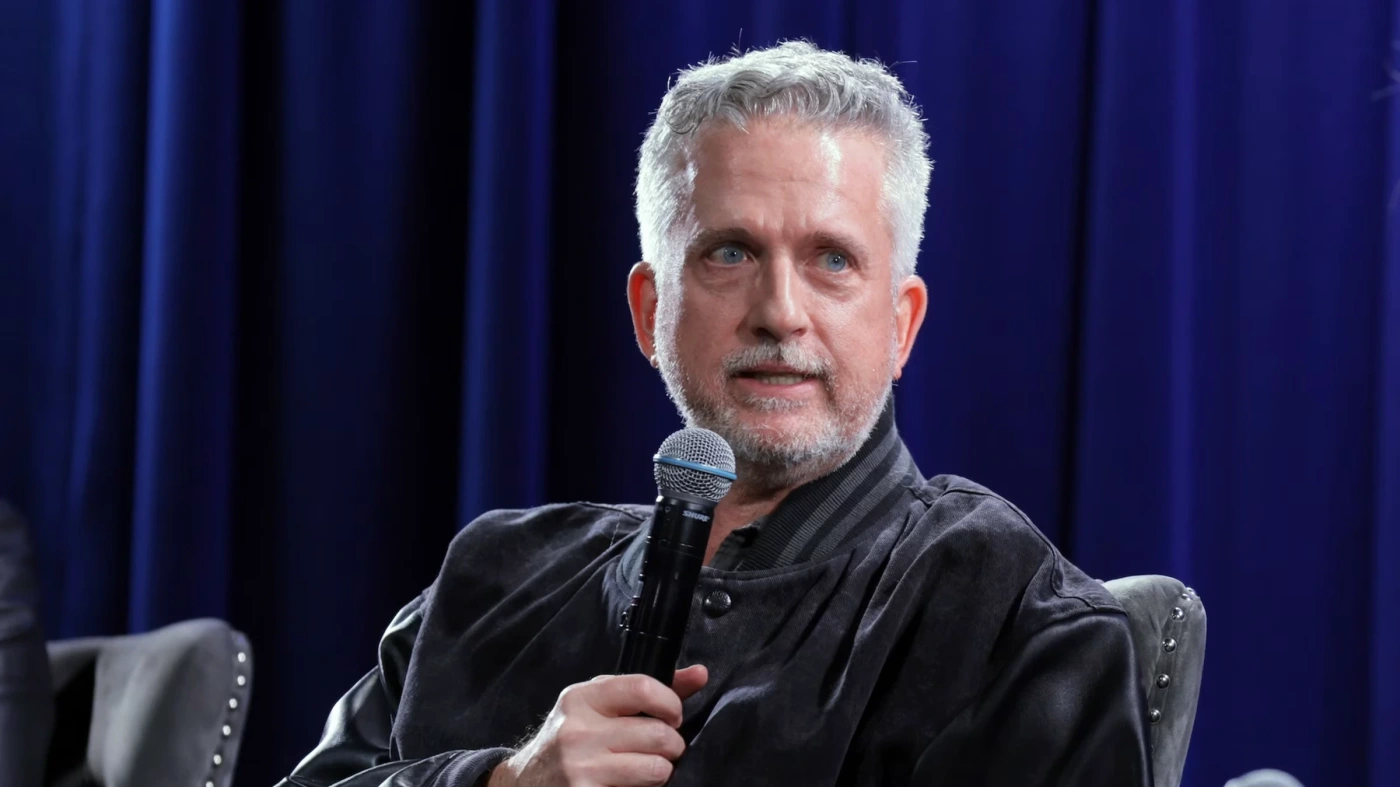

Bill Simmons is facing regulatory scrutiny after openly describing how his daughter’s boyfriend placed FanDuel wagers for him in Massachusetts while Simmons was in California.
Bill Simmons’ proxy betting admission has drawn the attention of the Massachusetts Gaming Commission after the longtime sports media personality detailed the arrangement on The Bill Simmons Podcast. The Ringer founder said his daughter’s boyfriend logged into his FanDuel account in Massachusetts and placed wagers on his behalf while Simmons was in Los Angeles, where traditional online sports betting is not legal.
According to Complex, Simmons described sending the authentication code needed to access the account and having the young man enter his bets. Simmons also indicated the arrangement happened more than once, turning what he called a bonding experience into a matter now being examined by regulators.
Massachusetts permits legal sports wagering, but its rules require operators to prevent people from placing bets as agents or proxies for others. FanDuel’s own account rules also bar account sharing and proxy wagering, meaning the issue is not simply where the bets were entered but who was actually directing and funding them.
“The Commission is aware of the comments made on the Bill Simmons Podcast and staff are currently reviewing the matter,” a Massachusetts Gaming Commission spokesperson said. FanDuel subsequently voided the wagers and said it had taken action on the account in accordance with its terms and Massachusetts regulations.
Simmons addressed the controversy again on a later episode, saying he had not known about the proxy rules. “I learned my lesson. Apparently, proxy betting, not allowed. I actually thought it was, but that’s fine,” he said, confirming that the affected wagers had been voided.
The episode puts an unusual spotlight on the intersection of sports media and legal gambling because FanDuel is a betting partner of The Ringer. The Massachusetts Gaming Commission’s review remains the key unresolved piece, with no final regulatory finding announced as of September 3.
More News, Tommy John Dies at 83, Leaving a Baseball and Sports Medicine Legacy

The Giant-Killer Blueprint: Zulymar Velazquez is the Ultimate College Basketball Cheat Code
October 05, 2026
Kawhi Leonard Returns to Toronto Focused on Basketball and Another Title Run
September 29, 2026