
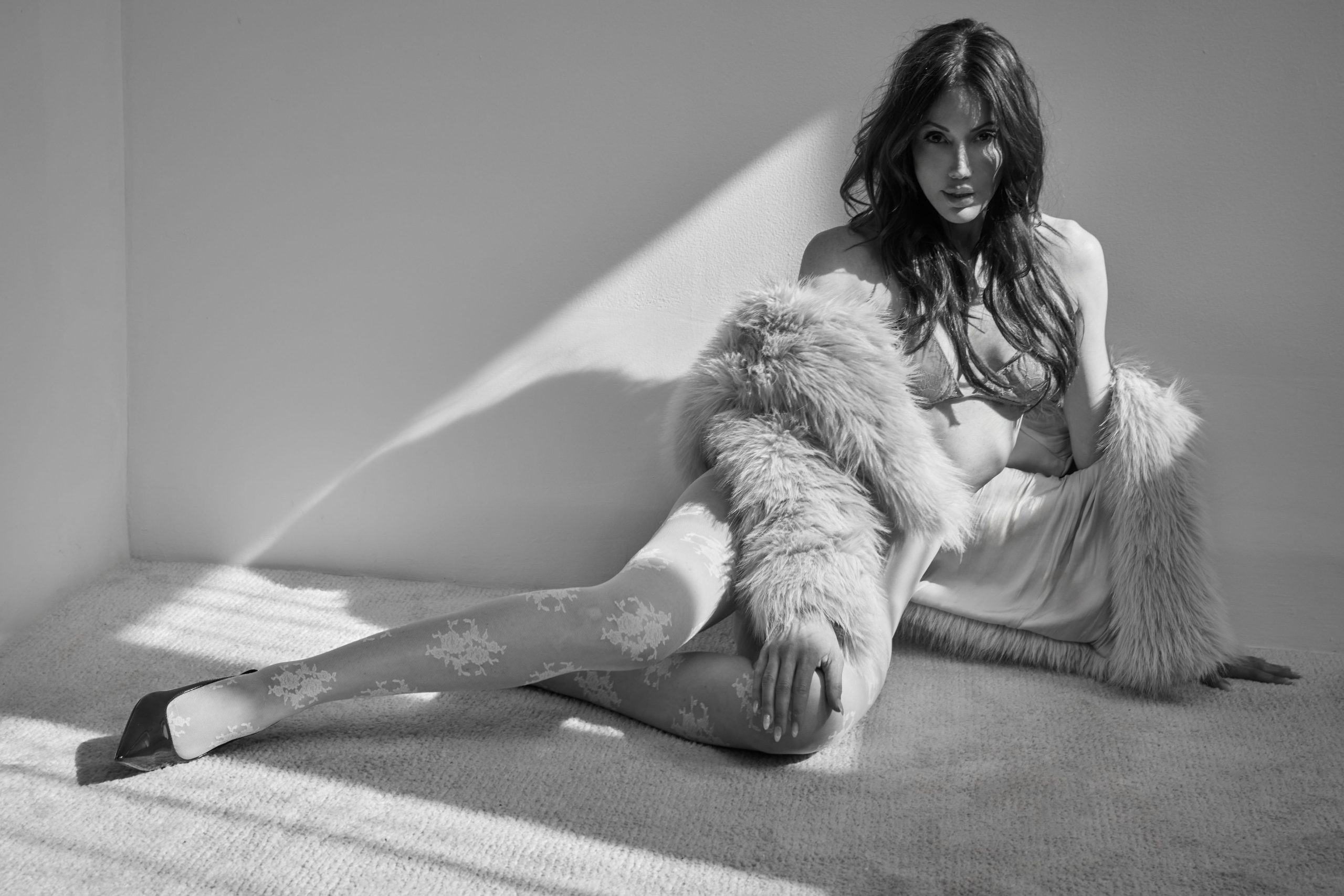
In an era where music often moves at the speed of trends, Luma Valen is taking a different path by creating songs that prioritize emotional connection, personal growth, and authentic storytelling. Drawing inspiration from her Puerto Rican heritage and a lifelong passion for the arts, she approaches music not just as entertainment but as a source of healing and reflection. Through cinematic production, heartfelt lyrics, and an immersive creative vision, Luma has built an artistic identity centered on encouraging listeners to reconnect with themselves and embrace transformation.
With the release of her deeply personal single “Sad Eyes” and the continued rollout of The Alive Frequency Era, Luma is inviting audiences into a larger narrative that explores resilience, self-discovery, purpose, and hope. In this exclusive interview with 24Hip-Hop, she discusses the experiences that shaped her creative journey, the artists and influences that inspired her, the challenges of building an independent career, and the message she hopes listeners take away from her music. From behind-the-scenes insights into her songwriting process to reflections on working with acclaimed producers and balancing artistry with motherhood, Luma offers an honest and inspiring look at the vision driving her work.
Q1. You describe your music as a support system for the soul. When did you first realize music could have that kind of emotional impact on people?
I think I realized it long before I became an artist myself.
I was born in Puerto Rico, where music is woven into everyday life. Music is how we celebrate, how we grieve, how we fall in love, and how we heal. Some of my earliest memories are connected to music because it was always present during life’s most meaningful moments.
What fascinated me was how a song could communicate a feeling more powerfully than words alone. A melody, a lyric, and an emotion could come together and instantly make someone feel understood.
When I was younger, I would often dedicate songs to friends and say, “This is our song.” What amazed me was that someone I had never met could somehow put exactly what I was feeling into words and music. They could capture an emotion I did not know how to express myself. That always felt magical to me.
I understood the impact music could have on me, but I did not realize I had that same ability within me until I began sharing my own songs with friends and at small gatherings. I remember watching people become emotional, sometimes even cry, and tell me they felt deeply connected to something I had written.
That was a profound realization for me.
Music stopped feeling like self expression and started feeling like a bridge between people.
As Luma Valen, I want my music to feel like that kind of support system for the soul. Today, the most meaningful messages I receive come from people who tell me a song helped them through a difficult moment, inspired them to keep going, or made them feel seen.
For me, music is more than entertainment. It is companionship. It is healing. It reminds us that we are not alone.
If a song can help someone feel understood, even for a few minutes, then it has done something meaningful.
Q2. Growing up, who were some of the artists or creative influences that shaped your sound and storytelling style?
I have always been drawn to artists who create emotion first.
Growing up in Puerto Rico, I was surrounded by music, culture, rhythm, and storytelling. Music was not separate from life. It was life. We come from a culture where we express love through a song, heartbreak through a song, celebration through a song, and sometimes even our social and political views through music. It becomes a language of its own.
Artists like Bad Bunny are a powerful modern example of that. While he did not shape my sound directly, he represents something about Puerto Rican culture: music is one of the most powerful ways we say what we feel, who we are, where we come from, and what we believe.
As a child, I listened to everyone from Julio Iglesias and Andrea Bocelli to artists my friends probably were not listening to at my age. Looking back, it is funny because my mother used to tell me I was an old soul trapped in a young person’s body.
As I got older, I became fascinated by artists like Michael Jackson, Madonna, Whitney Houston, Prince, Bob Dylan, The Doors, and Soda Stereo.
What connected all of them was not genre. It was their ability to create a world and make people feel something unforgettable.
Outside of music, fashion, cinema, design, and visual art have been equally influential. Before music became my primary focus, I spent years working as a designer, and that visual storytelling still shapes everything I create today.
I do not see songs as tracks. I see them as worlds. Every song has its own emotional landscape, visual language, and story waiting to be experienced.
Q3. What has been the biggest challenge you have faced so far as an independent artist, and what keeps you motivated through it?
The biggest challenge has been building the vision before the world can fully see it.
As an independent artist, you are not only creating the music. You are also building the foundation around it. That means learning the business side, understanding copyrights, royalties, branding, image development, marketing, distribution, visual storytelling, and how to bring a complete artistic world to life.
It can be a lot, but it has also made me stronger.
With “Sad Eyes,” “Make It,” and The Alive Frequency Era, I am not just releasing songs. I am building a larger story around emotional pop, cinematic pop, healing, self discovery, and transformation.
What keeps me motivated is purpose. I know I was meant to share music at this stage of my life, and every day I wake up excited to learn, create, improve, and become a better artist.
I do not create for attention or recognition. I create because I believe music can have a real impact on people’s lives.
Every artist who has ever built something meaningful had to believe before the world believed. That keeps me moving forward.


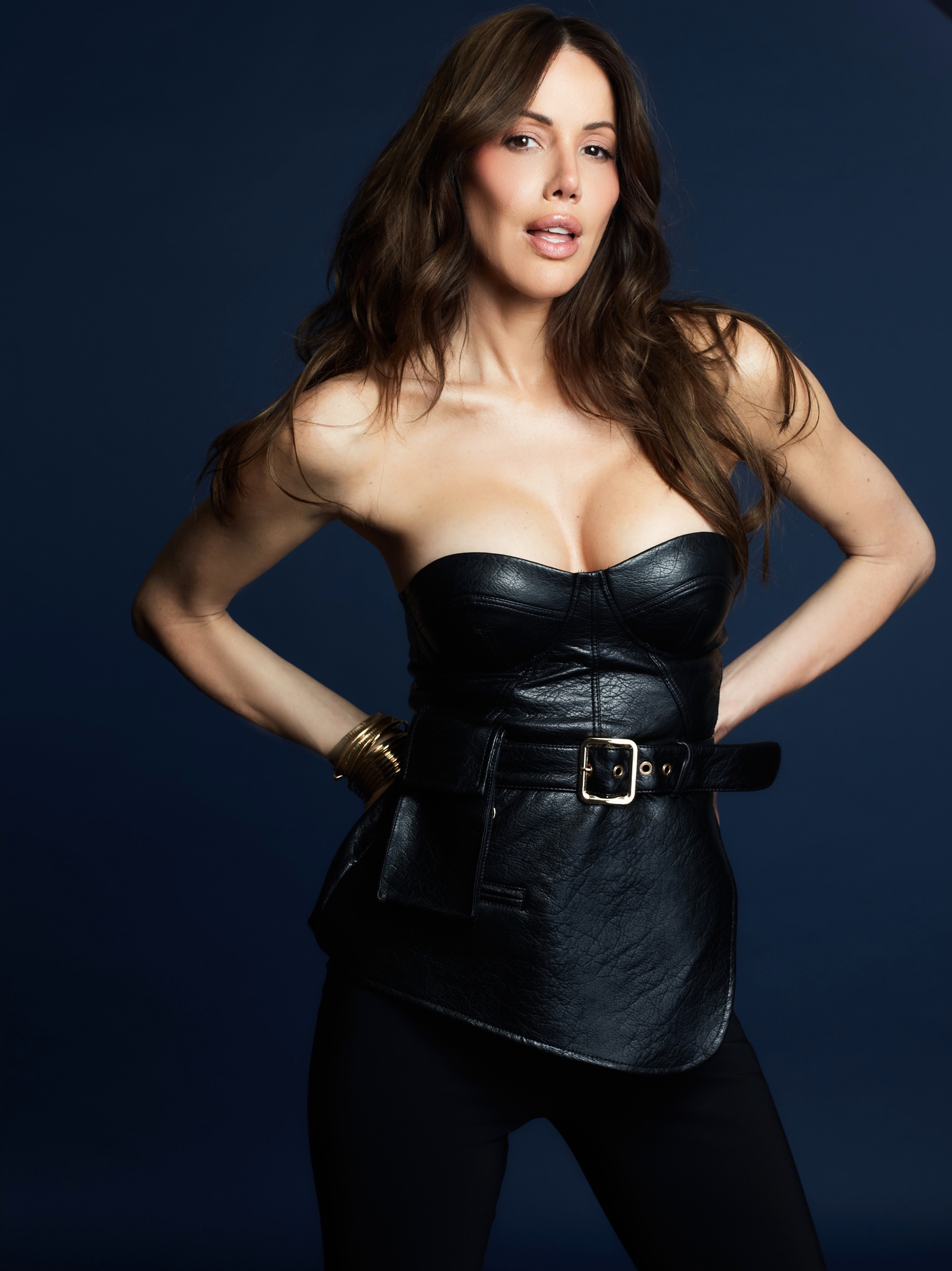
Q4. Your songs often feel cinematic and emotionally immersive. When creating music, do visuals come to you naturally as part of the process?
Absolutely.
For me, music comes first. I often hear melodies, instrumentation, and lyrics before anything else.
Then the visual world starts to emerge.
I begin imagining scenes, emotions, colors, textures, and even camera movements. Sometimes the visual world arrives at the same time as the melody, and sometimes it develops afterward, but it is always part of the creative process.
That is why every song in The Alive Frequency Era feels connected. They are not just songs. They are chapters within a larger story.
For me, music and visuals are inseparable. The sound, the emotion, and the imagery all work together to create the world of the song.
Q5. Outside of music, what are some things that inspire you creatively or help you recharge mentally and emotionally?
Life itself inspires me.
The people who have crossed my path, the experiences I have lived, the lessons I have learned, and the journey itself have given me endless stories to write about. Some of those experiences have brought tremendous joy, while others have come through pain, loss, and transformation.
My family is currently one of my greatest sources of inspiration. They give me purpose, perspective, and the motivation to continue growing and becoming the best version of myself.
Being a mother has completely changed the way I see the world. Children have a beautiful ability to be present, authentic, curious, and completely themselves.
My children have reminded me what wonder looks like. Through their eyes, I get to experience the world again with innocence, curiosity, joy, imagination, and even heartbreak. They remind me how deeply we feel before the world teaches us to hide our emotions.
I also find inspiration through nature, travel, reading, prayer, art, and quiet moments of reflection.
Some of my best creative ideas arrive when I step away from the noise and give myself space to listen.
I think creativity needs stillness sometimes.
Q6. Your newly released single “Sad Eyes” explores emotional exhaustion and hidden struggles. What inspired you to write this song?
“Sad Eyes” is one of the most personal songs I have ever written.
At its core, it is about the quiet pain of losing yourself while trying to become what the world expects you to be. It speaks to the emotional exhaustion that can happen when you are living inside pressure, comparison, fear, and expectations, while somewhere deep inside, you know you were born for something more.
For me, this song came from a very real place. I always had a strong desire to express myself through art. I wanted to sing, act, create, design, and tell stories. But those dreams were not always understood by the people around me. Sometimes the people closest to us cannot see the vision we carry inside ourselves.
There comes a moment in life when you have to decide whether you are going to live from fear or from truth. “Sad Eyes” was born from that moment.
It is about standing at the edge of the unknown and choosing to trust yourself anyway. It is about the hidden sadness so many people carry while pretending they are okay. From the outside, someone’s life can look perfect, but inside they may feel lost, tired, or disconnected from who they really are.
To me, the song is about awakening. It is about breaking free from the noise, the pressure, and the illusion that we have to become what the world says we should be. It is about returning home to yourself.
I always think of transformation like a seed. Before it becomes visible, before it becomes a flower or a tree, it has to grow roots in the dark. Sometimes we have to go through that darkness to discover who we were truly born to become.
That is what “Sad Eyes” means to me. It is the journey from sadness to self discovery, from fear to freedom, and from pretending to finally becoming real.
Q7. “Sad Eyes” was originally written years ago, before social media and AI became such a huge part of everyday life. Did you always know the message would become this relevant?
No, I did not.
When I wrote the song, I was simply telling the truth about what I was experiencing at that time.
What surprises me now is how relevant the message has become.
We live in a world where people are constantly exposed to more information, opinions, comparisons, and expectations than ever before. Technology has created incredible opportunities for connection, but it has also amplified pressure, self comparison, and the search for validation.
I think many people, especially younger generations, are trying to navigate that reality while still figuring out who they are.
The human need underneath it all has never changed. People still want connection. They still want purpose. They want to know they are loved. They want to know they are enough.
I believe every person has something unique to contribute to the world, and sometimes the noise around us can make us forget that. We become so focused on what success should look like, what beauty should look like, or what happiness should look like that we lose sight of who we actually are.
To me, “Sad Eyes” is an invitation to return to yourself. To reconnect with your own values, your own purpose, and your own voice. Because real self worth does not come from external validation. It comes from knowing who you are and what you are here to contribute.
I think that is why the song resonates today.
Q8. Working with Humberto Gatica and Carlos Rodgarman on “Sad Eyes” must have been a unique experience. What did they bring to the record creatively?
Working with Humberto Gatica and Carlos Rodgarman was an incredible experience.
What impressed me most was their ability to honor the emotional core of the song while elevating it sonically.
Humberto has an extraordinary understanding of emotion in music. He knows how to create depth without losing intimacy. Carlos brought his own artistry, musicianship, and emotional sensitivity to the process as well.
Together, they helped transform the song into something bigger while preserving its vulnerability.
I believe great producers do not change the truth of a song. They help reveal it. That is exactly what they did with “Sad Eyes.”
Q9. “Sad Eyes” is part of The Alive Frequency Era. How does this release connect to the larger story you are trying to tell through your music?
The Alive Frequency Era is ultimately about transformation.
Each song explores a different aspect of the human experience, whether it is love, healing, self discovery, resilience, purpose, or personal growth.
“Sad Eyes” represents the moment of awakening. It is that moment when someone realizes they can no longer ignore what they are feeling and begins asking deeper questions about who they are and what truly matters.
The songs that follow continue that journey toward healing, empowerment, self acceptance, love, and becoming fully alive.
Together, they tell a larger story about remembering who we are beneath the noise of the world and having the courage to become that person fully.
Q10. With “Sad Eyes” just released in late May and “Make It” following on June 26, what can fans expect next from Luma Valen this year?
Fans can expect a lot more music, visual storytelling, and opportunities to connect with me directly.
“Make It” continues the journey of The Alive Frequency Era from a place of strength, resilience, hope, and possibility.
We are also preparing live performances, new creative projects, and exciting collaborations that I cannot wait to share.
Most importantly, I want people to feel like they are growing alongside me through this music. I want every release to feel like another chapter in a journey we are taking together.
This is only the beginning of the story. There is so much more music, creativity, and inspiration still to come, and I am incredibly excited to share it with the world.
As this conversation makes clear, Luma Valen is focused on building more than a music career. She is crafting a meaningful artistic world where vulnerability, healing, and emotional honesty take center stage. Every answer reflects her commitment to creating music that resonates on a personal level and encourages listeners to embrace their own journeys of growth and self-acceptance. Whether discussing the origins of “Sad Eyes,” her creative inspirations, or the evolving story behind The Alive Frequency Era, she consistently returns to the idea that music has the power to connect people in profound ways.
With new releases, live performances, and creative collaborations on the horizon, Luma’s journey is only beginning. Her dedication to storytelling and authentic expression suggests that the chapters still to come will continue to inspire audiences looking for music that speaks not only to the ears but also to the heart. For fans and new listeners alike, her evolving body of work promises an experience that is both deeply personal and universally relatable.
Connect with Luma Valen:
- Instagram: @lumavalen
- TikTok: @lumavalen
- YouTube: @lumavalen
- Facebook: Luma Valen
- Spotify: Luma Valen