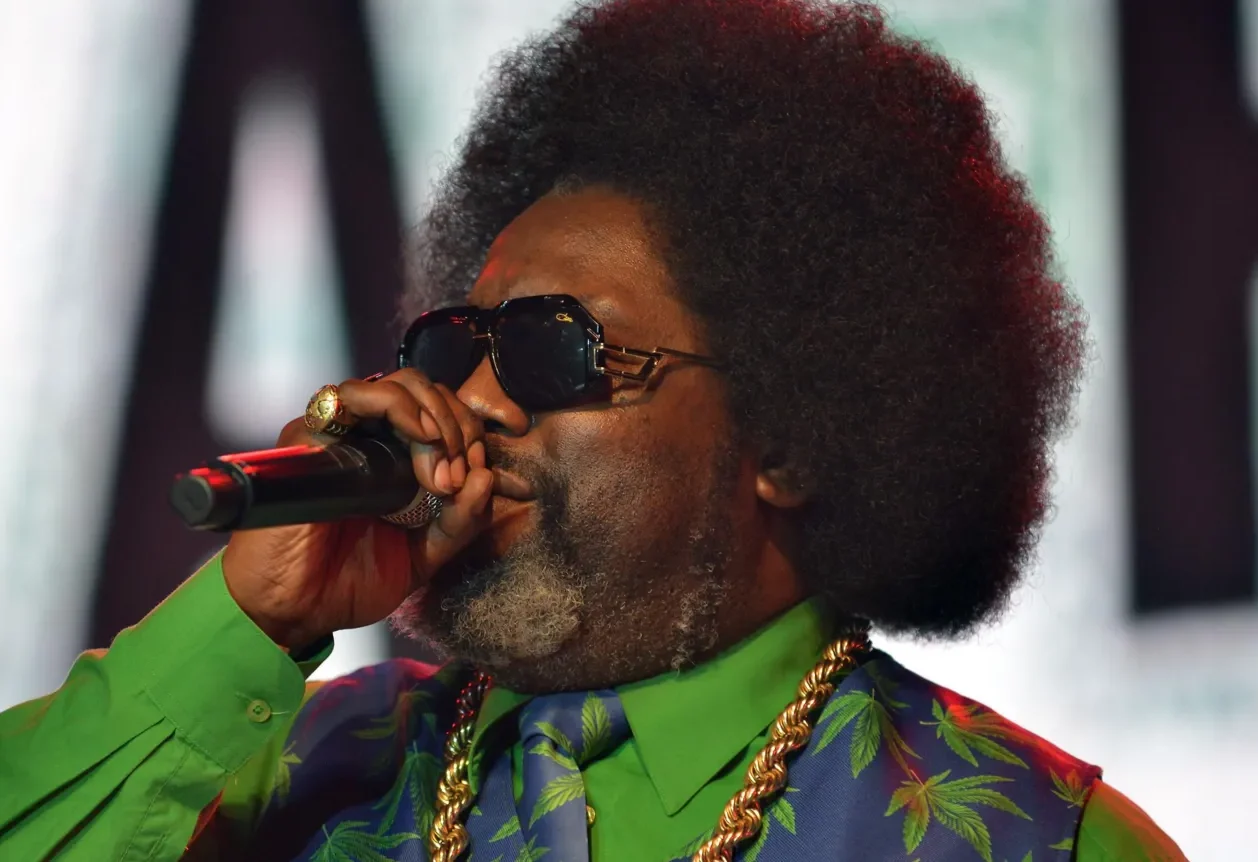


In a case that felt more like a hip-hop storyline than a courtroom drama, Afroman has officially secured a major legal victory against a group of Ohio deputies who sued him over his music, videos, and public commentary.
What started as a controversial police raid turned into a viral moment, a string of diss tracks, and ultimately, a legal battle centered on one core issue: can an artist use real-life footage of police and turn it into music without facing legal consequences? A jury has now answered that question—and the answer favored Afroman.
The Raid That Sparked Everything
Back in August 2022, deputies from the Adams County Sheriff’s Office executed a raid on Afroman’s home in Ohio. Authorities were reportedly investigating serious allegations, but the search ultimately came up empty. No charges were filed, and nothing substantial was recovered.
For most people, that would have been the end of it. For Afroman, it was just the beginning.
Instead of staying silent, he leaned into what hip-hop has always done best—telling real stories. Using his home surveillance footage, he began releasing music videos that showed the raid from his perspective. The most notable of these was “Lemon Pound Cake,” a track that quickly gained traction online for its humor, boldness, and unapologetic tone.
Turning Controversy Into Content
The footage showed deputies moving through his home, searching rooms, and even briefly appearing confused about what they were looking for. Afroman flipped these moments into punchlines, building entire songs around the situation.
The internet responded instantly.
The videos went viral, drawing millions of views and turning what could have been a private frustration into a public spectacle. Fans saw it as classic Afroman—raw, comedic, and fearless. But the deputies involved saw it very differently.
The Lawsuit
In 2023, several deputies filed a lawsuit against Afroman. Their claims included:
- Unauthorized use of their likeness
- Defamation
- Emotional distress
- Damage to their reputations
They argued that being featured in the videos—especially in a mocking or critical light—led to harassment and public embarrassment. The lawsuit sought significant financial damages, turning what had been a viral moment into a serious legal threat.
Afroman’s Argument
Afroman’s defense didn’t waver.
He argued that:
- The footage was recorded legally on his own property
- The events shown were real and unedited
- His music and videos were protected as artistic expression
More importantly, the case became about something bigger than just one artist. It raised questions about free speech, especially when it comes to criticizing law enforcement. Afroman positioned himself not just as a rapper defending his work, but as an individual standing up for his right to tell his story.
The Verdict
After a trial that drew attention from both legal observers and hip-hop fans, the jury ruled in Afroman’s favor.
The deputies’ claims were rejected, and no damages were awarded.
It was a decisive win.
The ruling reinforced a key principle: public officials, especially while performing their duties, are not immune from criticism—even when that criticism comes in the form of music, satire, or viral content.

More Than a Legal Victory
This case wasn’t just about winning in court—it was about reclaiming a narrative.
Afroman took a moment where his privacy was invaded and turned it into:
- Music
- Visual content
- A cultural conversation
In doing so, he stayed true to the roots of hip-hop—using art to respond to real-life situations, especially those involving authority and power.
Final Thoughts
Afroman’s victory is bigger than one lawsuit. It’s a reminder that artists don’t have to stay silent when real life becomes material. It also sends a message that humor, truth, and creativity still have a place in pushing back against authority.
What began as a failed raid turned into a viral movement—and now, a courtroom win.
In the end, Afroman didn’t just beat the case.
He turned it into a legacy moment.